
Live Interview
And why does that matter?
This is how a Mato agent talks. Take the other seat: answer a few and feel it follow the thread.
Podcast charts
Published by Thomas Caleel
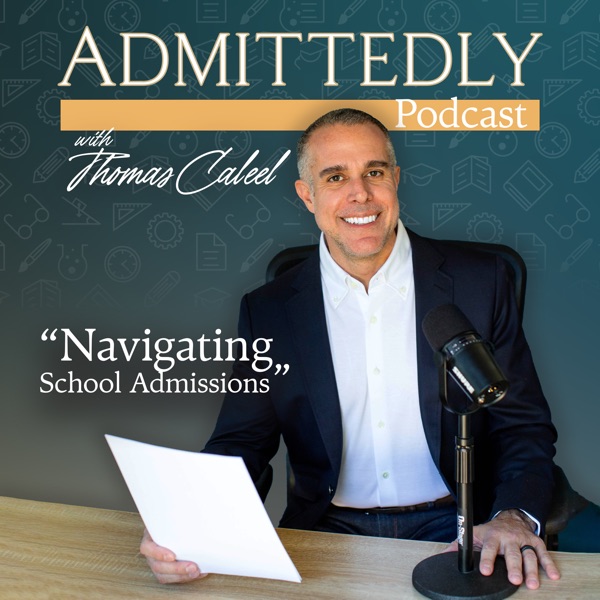
Does thinking about applying to college, grad school, or prep school make your head spin? The Admittedly Podcast is for both parents and students preparing for or navigating school admissions. We aim to demystify the admissions process and share with you what you really need to know to succeed. Our host, Thomas Caleel, former director of MBA admissions and financial aid for the Wharton School at the University of Pennsylvania, is here to help. He is a lifelong entrepreneur and CEO of a global admissions consulting agency where he works with families worldwide to help them achieve their educational goals. New episodes go live every Tuesday and Thursday. Learn from our guest speakers, live coaching sessions, and weekly solo episodes. Have admissions questions you'd like answered on the show? Apply to be coached by Thomas himself on one of our upcoming recordings. In this podcast, we don't promise easy answers or quick fixes. But with decades of experience under his belt, Thomas will address the practical aspects of applying to school and how to think like an admissions officer to improve your college or prep school application.
On the charts
Every published chart this podcast appears in, in the snapshot behind this page. Each one links to the chart it came off.
From the feed
The latest episodes published to this podcast’s own RSS feed. Titles and descriptions are the publisher’s.
🎓 Need help building your academic and college admissions strategy? Learn more about Admittedly and how our team of former Ivy+ admissions officers helps students make strategic decisions Course selection is one of the most important—and often overlooked—parts of building a competitive college application. The classes you choose don't just determine your GPA; they show admissions officers how you've challenged yourself, where your academic interests lie, and how you've taken advantage of the opportunities available to you. In this episode of The Admittedly Podcast, Thomas Caleel breaks down how students should approach course selection across AP, IB, A-Level, and other academic systems. He also explains how to think ahead from middle school through senior year—and what students can do if they realize they need to strengthen their academic trajectory or their school doesn't offer the courses they need. Key Takeaways Why course selection and academic rigor matter beyond your GPA How early academic decisions can shape your options later in high school How to approach AP, IB, A-Level, honors, and other advanced curricula Why your most rigorous courses should align with your intended academic interests How to use outside courses, community colleges, and other options to strengthen your academic trajectory What to do if you realize you're behind or made the wrong course choices Why senior year should represent the strongest point in your academic progression Conclusion There isn't one perfect high school schedule for every student. The goal is to build an academic trajectory that makes sense for your interests, your goals, and the opportunities available at your school —and to think ahead before individual course decisions limit your options. And if you haven't followed the ideal path so far, there may still be ways to strengthen it. 🎓 Need help building your academic and college admissions strategy? Learn more about Admittedly and how our team of former Ivy+ admissions officers helps students make strategic decisions around course selection, testing, extracurriculars, college lists, applications, and more. 📱 Follow Admittedly for more college admissions advice: Instagram & TikTok: @admittedlyco
🎓 Want help building a thoughtful high school and college admissions strategy? Learn more about Admittedly and how our team of former Ivy+ admissions officers helps students and families plan academics, extracurriculars, summers, testing, college lists, applications, and more. Freshman year isn't about building the perfect college application. It's about building the habits, academic foundation, relationships, and curiosity that will give you more options later. In this episode of The Admittedly Podcast, Thomas Caleel shares what ninth graders (and their parents) should actually be thinking about as they begin high school. From choosing rigorous courses and building relationships with teachers to exploring extracurriculars, asking for help early, and making the most of freshman summer, Thomas explains how to start strong without turning ninth grade into an admissions pressure cooker. Key Takeaways Why your ninth-grade academic choices can shape your options later in high school How to build strong relationships with teachers from day one Why freshman year is the time to explore activities How to recognize academic struggles early and ask for help before you're playing catch-up Why intellectual curiosity matters more than knowing your future major at 14 How parents can support exploration without imposing their own expectations What to start thinking about now to make freshman summer meaningful Conclusion Ninth grade is a transition, and no student needs to have everything figured out. But for students with highly selective college ambitions, drifting through freshman year isn't a strategy either. Focus on strong academic habits, explore what genuinely interests you, build relationships, ask for help when you need it, and use this year to create a foundation you can build on throughout high school. 🎓 Want help building a thoughtful high school and college admissions strategy? Learn more about Admittedly and how our team of former Ivy+ admissions officers helps students and families plan academics, extracurriculars, summers, testing, college lists, applications, and more. 📱 Follow Admittedly for more college admissions strategy: Instagram & TikTok: @admittedlyco
*]:pointer-events-auto R6Vx5W_threadScrollVars scroll-mb-[calc(var(--scroll-root-safe-area-inset-bottom,0px)+var(--thread-response-height))] scroll-mt-[calc(var(--header-height)+min(200px,max(70px,20svh)))]" dir="auto" data-turn-id= "request-698ba4c4-86c0-8332-bb91-d1ab5e770345-0" data-turn-id-container= "request-698ba4c4-86c0-8332-bb91-d1ab5e770345-0" data-testid= "conversation-turn-12" data-turn="assistant"> Get Expert Feedback on Your College Essay Not sure if your essay is ready to submit? Admittedly's Essay Review Service gives students direct, strategic feedback on their essays from experts who understand how admissions officers actually evaluate an application. Our team can help identify what's working, what's missing, and where your essay could be stronger— without rewriting it for you or replacing your voice. ✍️ Learn more about Admittedly's Essay Review Service Here - In this episode of The Admittedly Podcast , Thomas Caleel goes inside the college essay review process from an admissions officer's perspective. With admissions readers moving through thousands of applications, a "beautiful" essay isn't enough—your essays need to communicate something meaningful about who you are and make sense within the larger story of your application. Thomas breaks down the Common App personal statement, supplemental essays, additional information, and circumstances essays—and the role each should play. He also tackles some of the most common mistakes he sees, from manufactured trauma and résumé-style essays to copying successful essays, misusing AI, and letting parents over-edit a student's voice. Key Takeaways Why your essays need to support the strategy of your entire application What admissions officers are actually trying to learn from your personal essay Why great essays need a strong hook—but shouldn't start with one Common essay topics and approaches that often miss the mark How to use supplemental, additional information, and circumstances essays strategically Why copying "essays that worked" can actually make your writing less effective Where parents and AI can—and shouldn't—fit into the writing process Your college essay should sound like you , but that doesn't mean you have to figure out whether it's working on your own. Before you submit, make sure your essay is doing its job: adding something meaningful to your application, communicating your story clearly, and giving an admissions officer a reason to keep reading. 🎓 Looking for more comprehensive admissions support? Learn more about working with Admittedly's team of former Ivy+ admissions officers. 📱 Follow Admittedly: Instagram & TikTok: @admittedlyco _:empty]:hidden">
🎓 Want help building the right admissions strategy? Learn more about Admittedly and how our team of former Ivy+ admissions officers helps students make strategic decisions around course selection, extracurriculars, testing, college lists, applications, and more. - A strong GPA only tells part of the story. In highly selective college admissions, admissions officers are also looking closely at how much you challenged yourself within the opportunities available to you . In this episode of The Admittedly Podcast , Thomas Caleel breaks down academic rigor and how families should think strategically about course selection from middle school through senior year. From AP, IB, and A-Level programs to math sequencing and intended majors, Thomas explains why individual course decisions need to be considered as part of a much longer academic trajectory. Key Takeaways Why GPA alone doesn't tell admissions officers enough How course selection can shape your options years later What "academic rigor" actually means at highly selective colleges How AP, IB, A-Level, and advanced courses factor into admissions Why your intended major should influence your academic trajectory Conclusion Academic rigor isn't about taking the hardest class simply because it exists. It's about building a thoughtful academic trajectory that demonstrates curiosity, preparation, and the ability to succeed in the field you hope to pursue. The strongest course strategy looks beyond this semester and asks: What does this choice make possible next year... and the year after that? 🎓 Learn more about Admittedly and how our team of former Ivy+ admissions officers helps students make strategic decisions around course selection, extracurriculars, testing, college lists, applications, and more. 📱 Follow Admittedly for more college admissions strategy: Instagram & TikTok: @admittedlyco
In this episode of The Admittedly Podcast , Thomas Caleel is joined by Sonam Aidasani, Director of Product & Strategy at Admittedly and former Duke admissions officer , to break down one of the most misunderstood areas of college admissions: transferring. Is transferring actually an easier way into a highly selective college? What makes a compelling reason to transfer? And if you're already thinking about transferring before freshman year even begins, what should you be doing now? Thomas and Sonam unpack the different paths students take—from community college to four-year universities, to students realizing their current college simply isn't the right fit, to families considering transfer as a deliberate admissions strategy. They also explain why transfer admissions is its own process and why strong college grades alone aren't enough. Key Topics: The different reasons students pursue transfer admissions (and which ones make the strongest case) Why your high school transcript can still matter in transfer admissions The importance of college grades, professor relationships, recommendations, and campus involvement Why admissions officers scrutinize your reason for leaving your current institution Whether you can reuse essays from your original freshman application How SAT and ACT scores can factor into a transfer application Transfer vs. gap year: what students should consider before choosing either path Why every college's transfer policies, requirements, priorities, and credit rules need to be researched individually Considering a Transfer? Admittedly's transfer programs are designed for students preparing to apply now as well as students who are earlier in college and want to position themselves strategically for a potential transfer later. From course selection and academic performance to campus involvement, recommendations, testing, school selection, and the application itself, the decisions you make before applying can significantly shape your options. 📅 Speak with the Admittedly team about your transfer strategy: Apply for a Complimentary Strategy Call 📱 Follow Admittedly: Instagram & TikTok: @admittedlyco
To speak with an advisor and learn more about Admittedly's Middle School Program, book a Complimentary Strategy Call: https://admittedly.co/middle-school/ Parents often think college admissions starts in high school. In reality, many of the habits, skills, and decisions that shape a student's future begin much earlier. In this episode, Thomas Caleel explains why middle school isn't about building a college résumé... it's about building the foundation for future success. From developing study skills and exploring interests to understanding academic pathways and preparing for the transition to high school, Thomas shares how families can support students without creating unnecessary pressure. Key Takeaways Why middle school should focus on exploration. How study habits and executive functioning become long-term advantages. Why extracurricular involvement is about curiosity and discipline, not checking boxes. The importance of preparing for the transition into ninth grade. How early academic decisions can impact future course options. Why parents should guide the process without taking it over. How Admittedly's Middle School Program helps families prepare with confidence. Middle school isn't about getting ahead for the sake of getting ahead. It's about giving students the time, support, and confidence to discover who they are before the stakes get higher. A thoughtful foundation today creates more opportunities tomorrow. To speak with an advisor and learn more about Admittedly's Middle School Program, book a Complimentary Strategy Call: https://admittedly.co/middle-school/ Watch our Middle School Episode With Dr. Peggy: https://youtu.be/2pNkKqLh1CU?si=guJKzHZnroSokVIk Watch our Episode About Executive Functioning: https://youtu.be/ywv1arlTbkY?si=eYGOLSxhZ7y5lz_h Instagram & TikTok: @admittedlyco
To speak with an advisor and build a smarter college admissions strategy, book a Complimentary Strategy Call at: 👉 https://admittedly.co/path-to-admissions/ In this episode of The Admittedly Podcast, Thomas Caleel is joined by internationally recognized storytelling expert, podcaster, author, and keynote speaker Gabrielle Dolan to discuss why authentic storytelling matters more than ever in the age of AI. Together, they explore how students can use storytelling to communicate who they are, why authenticity continues to stand out in competitive admissions, and where AI can (and can't) play a role in the application process. From college essays and admissions interviews to personal branding and professional communication, Thomas and Gabrielle unpack what makes stories memorable, why admissions officers connect with authenticity over perfection, and how students can leverage AI as a coach without allowing it to replace their own voice. Key Takeaways Why storytelling is becoming even more valuable in an AI-driven world. How admissions officers distinguish authentic writing from AI-generated content. The right way to use AI as a brainstorming and coaching tool. Why memorable stories are often ordinary moments told honestly. Why the strongest applications tell one cohesive story across every component. Conclusion As AI becomes increasingly common, authenticity is becoming increasingly valuable. The students who stand out aren't necessarily the ones with the most polished applications. They're the ones whose stories feel genuine, memorable, and unmistakably their own. If you're looking for guidance on essays, application strategy, or building a stronger admissions narrative, book a Complimentary Strategy Call here: 👉 https://admittedly.co/path-to-admissions/ 📱 Follow us on Instagram & TikTok: @admittedlyco 📚 Learn more about Gabrielle Dolan and her work: https://gabrielledolan.com/
To speak with an advisor and build a smarter college admissions strategy, book a Complimentary Strategy Call at: 👉 apply.admittedly.co The Common Application is more than a collection of forms and essays; it's a strategic opportunity to tell a cohesive story about who you are and why you belong at your target colleges. In this episode of The Admittedly Podcast, Thomas Caleel introduces the Admittedly NEATER Framework , a six-part approach to building stronger college applications. He explains how narrative, extracurriculars, academics, testing, essays, and recommendation letters work together to create a compelling application (and why students who think strategically throughout the Common App often outperform equally qualified applicants who don't). Key Takeaways Why the Common Application should be approached strategically... not section by section. The six pillars of the NEATER Framework and how they work together. The role of academics, extracurriculars, testing, essays, and recommendation letters in holistic admissions. How to create an application that tells one consistent, memorable story. The strongest college applications are built by presenting a clear, intentional narrative across every part of the application. By approaching the Common App strategically, students can better communicate their interests, strengths, and potential to admissions officers. If you're looking for guidance on building a stronger application strategy, book a Complimentary Strategy Call here: 👉 apply.admittedly.co 🔗 Explore more admissions resources: https://admittedly.co/resources/ 📱 Follow us on Instagram & TikTok: @admittedlyco
In this episode of The Admittedly Podcast, Thomas Caleel sits down with Charles Loxton, Chief Communications Officer at Advantage Testing and an experienced application consultant, to explore one of the most misunderstood parts of the admissions process: the college essay. Drawing on decades of experience helping students develop their personal narratives, Charles explains why essays matter, how storytelling works in admissions, and why the best essays often start in unexpected places. Key Topics: Why the college essay is one of the few places students can show who they are beyond grades, scores, and activities The connection between storytelling, listening, and authentic self-reflection How to think about family, adversity, mental health, and other sensitive topics in admissions essays What the Additional Information section is really for — and the mistakes students make when using it The difference between Common App essays, UC personal insight questions, and UCAS personal statements Why students should stop obsessing over the perfect hook and focus on telling a compelling story first How to approach "Why This College?" essays in a way that feels genuine rather than formulaic Guest: Charles Loxton is the Chief Communications Officer at Advantage Testing and has spent more than two decades helping students develop compelling application essays and personal narratives. With a background in creative writing, documentary filmmaking, and educational consulting, Charles specializes in helping students uncover authentic stories that resonate with admissions officers. Learn more about Admittedly's partnership with Advantage Testing: admittedly.co/programs Follow Admittedly: Instagram & TikTok: @admittedlyco Follow Advantage Testing: Instagram: @advantagetesting
To speak with an advisor and build a smarter college admissions strategy, book a Complimentary Strategy Call at: 👉 https://admittedly.co/path-to-admissions-organic/ In this episode of The Admittedly Podcast, Thomas Caleel speaks directly to rising seniors and their families about one of the most important periods in the college admissions process: the summer before senior year. After years of hard work, many students make critical mistakes during this final stretch that weaken otherwise competitive applications. Thomas explains how students can avoid those pitfalls and use the summer strategically to strengthen their candidacy. From summer planning and extracurricular positioning to application strategy and essays, Thomas breaks down the three areas where students most commonly go wrong. He also explains why strong grades and activities alone are often not enough, and how students can connect the final pieces of the application puzzle before deadlines arrive. KEY TAKEAWAYS • Why the summer before senior year is one of the most important periods in the admissions process • How to evaluate whether your summer plans are actually strengthening your application • The difference between being busy and building meaningful experiences • Why application strategy should come before essay writing • How intended majors, extracurriculars, and academic interests need to work together • Common essay mistakes students make when they focus on storytelling without strategy • Why many highly qualified applicants still struggle to gain admission to top colleges The strongest college applications are not built during senior fall — they are built through intentional planning during the summer before senior year. Students who take the time to clarify their goals, strengthen their activities, and develop a cohesive application strategy put themselves in the best possible position when application season begins. If you're looking for guidance on summer planning, essays, or overall admissions strategy, you can book a Complimentary Strategy Call here: 👉 https://admittedly.co/path-to-admissions-organic/ 🔗 Explore more admissions resources: https:// admittedly.co/resources 📱 Follow us on Instagram & TikTok: @admittedlyco
To speak with an advisor and build a smarter college admissions strategy, book a Complimentary Strategy Call at: 👉 https://admittedly.co/path-to-admissions/ College application essays are one of the biggest opportunities students have to differentiate themselves in competitive admissions. In this episode of the Admittedly Podcast, Thomas Caleel breaks down what admissions officers are actually looking for in college essays, why essays matter in a world of grade inflation and strong test scores, and how students should think strategically about telling their story. He explains why essays are not English assignments, why authenticity matters more than polished prose, and how students should approach the Common App personal statement, supplemental essays, and additional information sections with intention and clarity. Key Takeaways • Essays help admissions officers understand the person behind grades, scores, and activities. • Strong essays are strategic... students should think about what they want admissions officers to understand about them before writing. • College essays are not English essays and should prioritize clarity, reflection, and authenticity. • Over-editing by parents, consultants, or AI can undermine authenticity and weaken applications. • Admissions officers value voice, self-awareness, and intellectual curiosity over perfect writing. • The Common App personal essay, supplements, and additional information section should work together as a cohesive narrative. • Reading, writing, and self-reflection are critical skills for developing stronger essays. A great college essay is not about sounding impressive... it IS about helping admissions officers understand who you are, how you think, and what you will contribute to a campus community. The strongest essays are authentic, intentional, and deeply reflective of the student behind the application. If you're looking for guidance on essays, application strategy, or building a stronger admissions narrative, you can book a Complimentary Strategy Call here 👉 https://admittedly.co/path-to-admissions/ 🔗 Explore more admissions resources: https://admittedly.co/resources/ 📱 Follow us on Instagram & TikTok: @admittedlyco
To speak with an advisor and build a smarter college admissions strategy, book a Complimentary Strategy Call at: 👉 admittedly.co/path-to-admissions/ In this episode of the Admittedly Podcast, Thomas Caleel answers a question we see a lot in our comments: "Why should families trust undergraduate admissions advice from a former Director of MBA Admissions at Wharton?". He shares the story behind his admissions journey — from reading MBA applications at the Wharton School to leading MBA Admissions & Financial Aid, advising governments on holistic admissions systems, and ultimately spending nearly two decades helping high school students navigate undergraduate admissions. He explains the surprising overlap between MBA and undergraduate admissions, what admissions officers are actually evaluating, and why understanding human potential, narrative, rigor, and intellectual curiosity matters at every stage of the admissions process. Key Takeaways • How Thomas began his career in admissions and ultimately led MBA Admissions & Financial Aid at Wharton. • Why MBA admissions and undergraduate admissions are more similar than families realize. • What admissions officers are actually evaluating beyond grades and test scores. • Why authenticity, intellectual curiosity, and initiative matter across all levels of admissions. • What Thomas learned from working alongside Ivy+ admissions leaders and former deans. • How holistic admissions systems evaluate students as stories, not just statistics. • Why undergraduate admissions work became Thomas's long-term focus and passion. If you're looking for guidance on building a thoughtful, strategic college admissions plan, book a Complimentary Strategy Call here 👉 admittedly.co/path-to-admissions/ 🔗 Explore more admissions resources: admittedly.co/resources/ 📱 Follow us on Instagram & TikTok: @admittedlyco
To speak with an advisor and build a smarter college admissions strategy, book a Complimentary Strategy Call at: 👉 h ttps://admittedly.co/path-to-admissions/?utm_source=instagram&utm_medium=organic-social&utm_campaign=&utm_contentid= In this episode of the Admittedly Podcast, Thomas Caleel breaks down one of the most misunderstood trends in modern college admissions: passion projects. From student-founded nonprofits to performative research projects, Thomas explains why many of these activities fail to stand out — and why admissions officers are becoming increasingly skeptical of formulaic extracurricular strategies. Instead of chasing impressive-sounding titles or copying what other applicants are doing, Thomas argues that students should focus on authentic engagement, meaningful contribution, and real-world responsibility. He also explains why jobs, family responsibilities, and sustained involvement in existing organizations often carry more weight than students realize. Key Takeaways • Most "passion projects" today are highly performative and rarely differentiate applicants. • Admissions officers care more about authenticity and impact than flashy titles. • Starting a nonprofit or business is extremely difficult — and most student projects never gain traction. • Students often waste valuable time pursuing activities they think will "look good." • Meaningful involvement in an existing organization can be more powerful than founding something new. • Jobs, caregiving responsibilities, and real-world work experience demonstrate maturity, grit, and resilience. • Strong extracurriculars should reflect genuine curiosity and sustained commitment — not admissions trends. Conclusion The strongest applications are not built around manufactured passion projects or impressive-sounding titles. They are built around authentic curiosity, meaningful action, and a clear sense of who the student actually is. Colleges are not looking for perfect applicants — they are looking for students who engage deeply, contribute meaningfully, and pursue what matters to them with intention. If you're looking for guidance on building an extracurricular profile that actually stands out, you can book a Complimentary Strategy Call here: 👉 h ttps://admittedly.co/path-to-admissions/?utm_source=instagram&utm_medium=organic-social&utm_campaign=&utm_contentid= 🔗 Explore more admissions resources: admittedly.co/resources 📱 Follow us on Instagram & TikTok: @admittedlyco
To speak with an advisor and map out your student's next steps, book a Complimentary Strategy Call at: 👉 apply.admittedly.co In this episode of the Admittedly Podcast, Thomas Caleel breaks down why it feels like leadership titles are losing value in modern, holistic college admissions and what admissions officers are actually looking for when it comes to extracurricular involvement. For years, students have been told to chase titles like "president," "founder," or "co-founder" to stand out. But as more applicants follow the same playbook, these titles have become increasingly common (and far less meaningful). Admissions officers are no longer impressed by titles alone. They are looking for something deeper: initiative, ownership, and real impact. Key Takeaways • Leadership titles like "president" and "founder" are no longer strong differentiators on their own. • Admissions officers prioritize initiative, impact, and sustained engagement over titles. • Starting a club without building it into something meaningful rarely adds value. • Leadership can be demonstrated within existing organizations — not just by creating new ones. • Growth and responsibility in real-world environments (jobs, nonprofits) carry strong credibility. • Initiative — identifying a problem and acting on it — is often more powerful than formal leadership. • The most compelling applicants show ownership, follow-through, and measurable results. Conclusion Leadership in today's admissions landscape is not about titles — it's about action. Students who take ownership, create impact, and engage deeply with what they care about will stand out far more than those who simply follow a formula. If you're looking for guidance on how to build a strong, strategic extracurricular profile, you can book a Complimentary Strategy Call here: 👉 apply.admittedly.co 🔗 Explore more admissions resources: admittedly.co/resources 📱 Follow us on Instagram & TikTok: @admittedlyco
To speak with an advisor and map out your student's next steps, book a Complimentary Strategy Call at admittedly.co/apply. In this episode of the Admittedly Podcast, Thomas Caleel breaks down one of the most misunderstood parts of college admissions: extracurricular activities. Families often believe there is a "perfect list" of activities that guarantees admission to selective colleges. In reality, admissions officers are not evaluating what students do, they are evaluating how students engage. Thomas explains why depth, ownership, and genuine curiosity matter far more than checking boxes, and why students often weaken their applications by spreading themselves too thin. He discusses the difference between performative activities and meaningful experiences, how to think strategically about summer programs, and why real-world experiences like part-time jobs often provide stronger signals than expensive enrichment programs. Listeners will learn how to evaluate activities through the lens of academic interests, how to refine involvement over time, and why intentional engagement is one of the strongest ways students can stand out in an increasingly competitive applicant pool. Key Takeaways • There is no universal "best" extracurricular list for college admissions. • Admissions officers evaluate depth, initiative, and impact... not just participation. • Doing fewer activities with greater intentionality often produces stronger outcomes. • Summer programs only add value when they connect to broader intellectual exploration. • Entry-level jobs can demonstrate responsibility, resilience, and real-world maturity. • Students should pursue activities aligned with genuine academic curiosity. • Authentic engagement is far more compelling than performative résumé-building. Strong extracurricular profiles are built through curiosity, ownership, and sustained engagement over time. Students who pursue meaningful experiences develop both stronger applications and stronger preparation for college-level work and independence. To speak with an advisor and map out your student's next steps, book a Complimentary Strategy Call at admittedly.co/apply.
To speak with an advisor and map out your student's next steps, book a Complimentary Strategy Call at admittedly.co/apply. In this episode of the Admittedly Podcast, Thomas Caleel speaks with Mike McLeod, founder of GrowNOW ADHD, about the real factor that determines whether students thrive in college: executive functioning skills. Strong grades and test scores can help students gain admission, but independence, motivation, and resilience determine what happens next. Thomas and Mike break down how ADHD affects executive functioning, why many students struggle with the transition to college, and what families can do now to build the internal skills students need to succeed without constant supervision. From screen dependence to time management to real-world responsibility, this conversation offers a practical framework for helping students develop the habits and mindset that selective colleges — and future employers — expect. Key Takeaways • ADHD is primarily a challenge of executive functioning, not intelligence or effort. • Executive functioning skills include self-regulation, task initiation, motivation, and follow-through. • Many students arrive at college academically prepared but struggle with independence. • Screen overuse can interfere with the development of focus, resilience, and delayed gratification. • Real-world experiences like jobs, activities, and responsibilities build executive functioning skills. • Accommodations can support students, but independence must still be developed. • Parents should prioritize long-term readiness, not just short-term academic performance. College success requires more than academic ability. Students who develop independence, resilience, and ownership over their time are far better positioned to thrive once they arrive on campus. *]:pointer-events-auto scroll-mt-[calc(var(--header-height)+min(200px,max(70px,20svh)))]" dir="auto" data-turn-id= "request-698ba4c4-86c0-8332-bb91-d1ab5e770345-2" data-testid= "conversation-turn-132" data-scroll-anchor="true" data-turn= "assistant"> Executive functioning development is one of the most important long-term investments families can make, particularly for students navigating ADHD or motivation challenges. When students learn how to manage their time, regulate their focus, and take ownership of their responsibilities, they are better prepared not only for selective colleges, but for life beyond the classroom. For families looking to go deeper, the following resources can help support next steps: • Learn more about GrowNOW ADHD: https://www.grownowadhd.com/ • Explore The Executive Function Playbook: https://www.grownowadhd.com/grownow-book/ • Listen to the ADHD Parenting Podcast: https://www.youtube.com/@TheADHDParentingPodcast Follow Admittedly on Instagram and TikTok for weekly strategy insights: @admittedlyco Book a Complimentary Strategy Call with our advising team: admittedly.co/apply
To speak with an advisor and map out your student's next steps, book a Complimentary Strategy Call at admittedly.co/apply. In this episode of the Admittedly Podcast, Thomas Caleel tackles a question many students quietly worry about: What if I didn't take high school seriously early on and now I'm behind? Whether it's limited access to AP or honors courses, a lighter course load freshman and sophomore year, or a late realization about college goals, this situation is more common than families think. Drawing on his experience in selective admissions, Thomas explains how academic rigor is evaluated in context—and what students can do if they find themselves off track. He breaks down why early planning matters, how schools limit flexibility later on, and what it really takes to recover strategically. This episode is a reality check but also a roadmap. While you can't go back and change your transcript, you can take control of what happens next. Key Takeaways: • Admissions officers evaluate course rigor relative to what your school offers . • Falling off the honors/AP track early can limit options—but doesn't automatically disqualify you. • Strong grades and testing become critical if rigor is lighter. • Students can pursue outside coursework (community college, online) to demonstrate initiative. • Your intended major matters —some paths require stronger academic alignment than others. • A clear narrative of growth, maturity, and course correction can strengthen your application. • The sooner you act, the more opportunities you have to improve your positioning. If this episode resonated with you, you're not alone. This is something many families navigate. The key is moving forward with clarity and intention. Listeners can continue the conversation by following @admittedlyco on Instagram and TikTok, where Thomas answers questions and shares weekly admissions strategy. You can also find additional resources at admittedly.co. To speak with an advisor and map out your student's next steps, visit admittedly.co/apply to book a Complimentary Strategy Call .
To speak with an advisor and map out your student's next steps, book a Complimentary Strategy Call at admittedly.co/apply . In this episode of the Admittedly Podcast , Thomas shares real stories from students he has worked with who reached their dream schools... sometimes in ways that surprised even them. These stories include a student who pivoted away from STEM pressure to pursue a passion for law and local government, a journalism student who built an international reporting experience around immigration issues, and a student who turned personal trauma into a national nonprofit supporting other young people. Each story highlights the same underlying truth: the most compelling applicants aren't following a formula. They are pursuing something that genuinely matters to them and pushing far beyond what's expected. Thomas also reflects on what families often misunderstand about differentiation in admissions. Standing out isn't about money, prestige, or building the longest résumé. It's about initiative, courage, and the willingness to take ownership of your interests and turn them into real impact. This episode offers a rare behind-the-scenes look at how authentic stories and meaningful effort can transform an application even when a student's path isn't perfectly conventional. Key Takeaways: • Exceptional applications come from depth and authenticity, not résumé stacking. • Students often differentiate themselves by leaning into what genuinely excites them. • Academic imperfections don't necessarily close doors when a narrative is compelling. • Admissions officers respond to evidence of initiative, curiosity, and resilience. • The most powerful student stories often come from risk-taking and personal growth. Listeners can continue the conversation by following @admittedlyco on Instagram and TikTok, where Thomas answers questions and shares weekly admissions insights. Free guides, downloads, and additional resources are available at admittedly.co . To speak with an advisor and map out your student's next steps, book a Complimentary Strategy Call at admittedly.co/apply .
To speak with an advisor and map out your student's next steps, book a Complimentary Strategy Call at admittedly.co/apply. In this episode of the Admittedly Podcast , Thomas sits down with Admittedly's Interim Director of College Counseling and former Senior Admissions Officer at Duke University, Sonam, for a candid look inside how highly selective admissions offices actually evaluate applications. Sonam reviewed more than 10,000 applications during her time in admissions. She holds degrees from Duke and an MBA from Rice, and she has worked across nearly every side of the process — inside a top university admissions office, in high schools, and in community-based organizations. In short: she understands both how decisions are made and how students should prepare. Together, Thomas and Sonam pull back the curtain on how admissions officers are trained, how institutional priorities shape decisions, and why the process is far more nuanced than most families realize. They discuss the return of standardized testing, what transcripts really signal, how committee rooms actually function, and why trying to "reverse engineer" a school's priorities is often a mistake. The conversation also dives deep into extracurricular strategy — what meaningful involvement looks like, how admissions officers spot inconsistencies, and why students don't need ten perfectly aligned activities to be compelling. From late bloomers to school list strategy to regional admissions nuances, this episode gives families a rare insider perspective grounded in real experience. This is especially valuable for parents and students aiming at highly selective colleges who want clarity about how decisions are made — and how to position themselves with intention rather than guesswork. Key Takeaways: • Admissions officers are trained — extensively — to evaluate applications within institutional priorities. • The supplemental essays often reveal more about what a school values than the personal statement. • Standardized testing is returning as a tool to combat grade inflation and assess academic readiness. • Admissions decisions are not pure meritocracies — they are shaped by institutional needs and shifting applicant pools. • Extracurriculars should demonstrate action and authenticity, not just alignment with a proposed major. • Changing direction mid-high school is acceptable — if it's explained thoughtfully and reflects genuine growth. • Students should build school lists based on fit, not assumptions about what a college "wants." Listeners can continue the conversation by following @admittedlyco on Instagram and TikTok, where Thomas and the Admittedly team answer real admissions questions weekly. Free resources, guides, and webinars are available at admittedly.co. If your family is ready for strategic, experience-driven guidance, book a Complimentary Strategy Call at admittedly.co/apply.
To speak with an advisor and map out your student's next steps, book a Complimentary Strategy Call at admittedly.co/apply. In this episode of the Admittedly Podcast, Thomas Caleel steps away from tactical admissions advice to share the story behind Admittedly — how it started, why it exists, and where it's headed next. With nearly two decades inside selective admissions, including leading MBA Admissions and Financial Aid at Wharton, Thomas reflects on the experiences that shaped his philosophy as an educator, advisor, and parent. He talks candidly about his own path through boarding school, Penn, entrepreneurship, business school, and admissions leadership — and how working with thousands of families ultimately led him to build an education-first company focused on clarity, strategy, and integrity. Thomas also explains why Admittedly has grown so quickly: families are exhausted by hacks, shortcuts, and resume-stuffing advice — and are looking instead for honest guidance grounded in real admissions experience. From launching the podcast and free resources to building Early Edge Plus and Early Edge Premium, this episode lays out the long-term vision for how Admittedly supports students not just to get into college, but to become confident, independent, resilient adults. This episode is especially valuable for new listeners, parents considering professional guidance, and families who want to understand what truly differentiates Admittedly from traditional college consulting. Key Takeaways: Admissions outcomes are driven by strategy and intention, not checklists or hacks. Experience inside elite admissions offices fundamentally changes how guidance should be delivered. Education sits at the core of Admittedly's mission. Group learning, multiple admissions perspectives, and intentional planning create stronger outcomes. The goal isn't just college admission, but building confident, capable young adults. Listeners can continue the conversation by following @admittedlyco on Instagram and TikTok, where Thomas shares weekly guidance and answers real family questions. Free downloads, webinars, and additional resources are available at admittedly.co. To speak with an advisor and map out your student's next steps, book a Complimentary Strategy Call at admittedly.co/apply.
Ranking source
Apple Podcasts rankings via the Mato Topic Intelligence Platform.
Observed September 20, 2026.
Apple and Apple Podcasts are trademarks of Apple Inc., registered in the U.S. and other countries.
Pairs with
Bring this source into Mato to read its transferable patterns, then turn them into an original show for your own audience.