
Live Interview
And why does that matter?
This is how a Mato agent talks. Take the other seat: answer a few and feel it follow the thread.
Podcast charts
Published by Spanish and Go
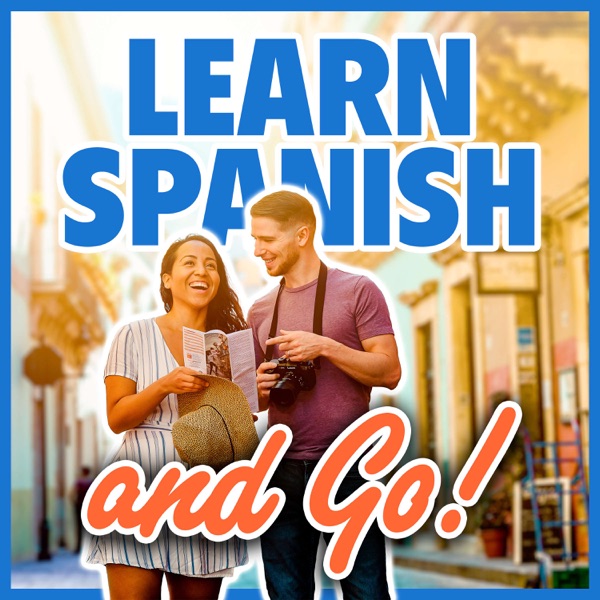
Do you want to learn Spanish and travel? Learn Spanish and travel the world with Jim and May from Spanish and Go. Advance your listening comprehension through incredible travel stories, cultural conversations, Spanish tips, and interviews with Spanish speakers from around the world. You’ll hear natural conversational Spanish perfect for the intermediate or advanced Spanish learner. With Spanish and Go, not only will you supercharge your Spanish, but you’ll gain the tools to travel abroad with confidence. May is a Spanish teacher from Mexico, and Jim is a gringo with a passion for adventure. Together they’ll help you take your Spanish to the next level. Get the most out of each episode by signing up at https://spanishandgo.com .
On the charts
Every published chart this podcast appears in, in the snapshot behind this page. Each one links to the chart it came off.
From the feed
The latest episodes published to this podcast’s own RSS feed. Titles and descriptions are the publisher’s.
We take you inside the fascinating tradition of El Trueque de Cholula and explain how bartering has connected people, products, and communities for centuries. We share examples of what people exchanged this year—from fruits, vegetables, and handmade goods to clothing, groceries, and even a live chicken—and discuss the differences between trueque and regateo. Along the way, we talk about childhood Tazos, religious traditions, Quetzalcóatl, and why preserving cultural traditions matters to the people of Cholula. You’ll also learn useful vocabulary and hear us compare bartering customs in Mexico and the United States. Key Takeaways: Learn what trueque means, how it differs from regateo, and how bartering has been practiced in Cholula since pre-Hispanic times. Discover the surprising things people exchange at El Trueque de Cholula—and why being flexible is an important part of successful bartering. Explore the cultural and religious significance of the tradition, including its connection to the Virgen de los Remedios, Quetzalcóatl, and generations of Cholula families. Relevant Links And Additional Resources: 331 – De Puebla Para México: Los Secretos Del Chile En Nogada | From Puebla To Mexico: The Secrets Of Chile En Nogada 319 – México Vivo: Los Trece Patrimonios Inmateriales De La UNESCO Parte II | Mexico Alive: The Thirteen Intangible Cultural Heritage Sites Of UNESCO, Part II 272 – ¿La Salsa Cholula No Viene De Cholula? | Cholula Hot Sauce Doesn’t Come From Cholula? 062 – Mercados Y Tianguis Mexicanos | Mexican Markets And Tianguis 333 – Septiembre: El Mes De La Independencia En América Latina – September: Latin America’s Independence Month Join La Escala: Your Spanish Fluency Hub Take your Spanish beyond the podcast with La Escala, our online Spanish learning community — join live conversation clubs, weekly challenges, access transcripts and quizzes, and connect with other Spanish learners. ✈️ Join La Escala , our online Spanish and Go community for Spanish learners who want more practice, structure, and connection. Annual plans include 2 months free. 👉 Learn more: spanishandgo.com/community Support the show
We’re taking a closer look at El Salvador, from its Indigenous roots and fascinating history to its economy, currency, changing reputation for safety, and close ties with the United States. We explore the places that make the country worth visiting, including volcanoes, crater lakes, the Ruta de las Flores, historic towns, archaeological sites, and Pacific beaches. And, of course, we dive into Salvadoran food—from pupusas and curtido to yuca, horchata, and the surprisingly different Salvadoran quesadilla. We also introduce some local Spanish expressions and explore voseo, Náhuat, and the meaning behind words like chivo , pisto , cabal , and cipote . Whether you’re planning a visit or simply curious about Central America, this episode will give you a richer picture of El Salvador. Key Takeaways: Discover its history, geography, economy, culture, and transformation in safety. Explore volcanoes, mountain towns, archaeological sites, beaches, and the Salvadoran foods you’ll want to try. Learn about Salvadoran Spanish, voseo, Náhuat, and useful local expressions. Relevant Links And Additional Resources: All countries in our “Country Series” 333 – Septiembre: El Mes De La Independencia En América Latina – September: Latin America’s Independence Month Join La Escala: Your Spanish Fluency Hub Take your Spanish beyond the podcast with La Escala, our online Spanish learning community — join live conversation clubs, weekly challenges, access transcripts and quizzes, and connect with other Spanish learners. ✈️ Join La Escala , our online Spanish and Go community for Spanish learners who want more practice, structure, and connection. Annual plans include 2 months free. 👉 Learn more: spanishandgo.com/community Support the show
How do you know whether to shake hands, hug, or give someone a cheek kiss in Mexico? Why do Mexicans offer food even when they barely have enough for themselves, and why can a party’s start time be more of a suggestion than a rule? In this episode, we continue our conversation about Mexican cultural codes and explore the social meaning behind physical greetings, “¿gustas?”, sobremesa , flexible timing, and softening negative responses and requests. We also share some funny personal experiences, including Jim’s struggles with greetings and May accidentally giving tourists outdated directions in Playa del Carmen. By the end, you’ll have a better understanding of the subtle social cues that can help you communicate more naturally and respectfully in Mexico. Key Takeaways: Learn how greetings can change depending on the relationship, context, and cultural background of the people involved—and why observing the other person’s body language is often the safest approach. Discover how sharing food, enjoying sobremesa , and spending unhurried time together reflect the importance of hospitality, connection, and generosity in Mexican culture. Understand why Mexicans may have a more flexible approach to social timing and why direct “no” responses and requests are often softened to maintain friendliness and avoid sounding too harsh. Relevant Links And Additional Resources: 334 – ¿Por qué los mexicanos dicen “provecho”? 10 códigos culturales Parte 1 – Why Do Mexicans Say “Provecho”? 10 Cultural Codes, Part 1 298 – La Sobremesa | La Sobremesa 294 – Español Útil para un Viaje a México | Useful Spanish for a Trip to Mexico 198 – Mande: Entre Respeto y Tradición | Mande: Between Respect and Tradition 064 – Choques Culturales en las Calles de México – Culture Shocks in the Streets of Mexico Join La Escala: Your Spanish Fluency Hub Take your Spanish beyond the podcast with La Escala, our online Spanish learning community — join live conversation clubs, weekly challenges, access transcripts and quizzes, and connect with other Spanish learners. ✈️ Join La Escala , our online Spanish and Go community for Spanish learners who want more practice, structure, and connection. Annual plans include 2 months free. 👉 Learn more: spanishandgo.com/community Support the show
We explore some of the small but important cultural habits that shape everyday interactions in Mexico, from wishing strangers provecho at a restaurant to greeting someone before making a request. We also compare Mexican and U.S. customs around saying hello, saying goodbye, and even those famously long goodbyes! Plus, we explain how and when to use con permiso and discuss the nuances of tú , usted , don, doña, señor, and señorita . These expressions may seem simple, but understanding when and why to use them can help you sound more natural, friendly, and respectful when speaking Spanish in Mexico. Key Takeaways: Learn how expressions like provecho, con permiso , and buenos días are used in everyday Mexican interactions. Discover how cultural expectations around greetings and goodbyes can differ between Mexico and the United States. Get practical insight into choosing between tú and usted and showing the right level of respect and familiarity in different situations. Relevant Links And Additional Resources: 335 – Por qué los mexicanos dicen “provecho”? 10 códigos culturales Parte 2 | Why Do Mexicans Say “Provecho”? 10 Cultural Codes, Part 2 298 – La Sobremesa | La Sobremesa 294 – Español Útil para un Viaje a México | Useful Spanish for a Trip to Mexico 198 – Mande: Entre Respeto y Tradición | Mande: Between Respect and Tradition 064 – Choques Culturales en las Calles de México – Culture Shocks in the Streets of Mexico Join La Escala: Your Spanish Fluency Hub Take your Spanish beyond the podcast with La Escala, our online Spanish learning community — join live conversation clubs, weekly challenges, access transcripts and quizzes, and connect with other Spanish learners. ✈️ Join La Escala , our online Spanish and Go community for Spanish learners who want more practice, structure, and connection. Annual plans include 2 months free. 👉 Learn more: spanishandgo.com/community Support the show
Why do so many Spanish-speaking countries celebrate their independence in September? We explore the historical connections behind these celebrations, including how Guatemala, El Salvador, Honduras, Nicaragua, and Costa Rica came to share September 15, and why Mexico and Chile commemorate the beginnings of their independence movements rather than the dates they officially became independent. We also share our personal experience celebrating Chilean Independence Day, discuss the traditions and foods that make this season special, and look at how these dates connect to Hispanic Heritage Month in the United States. By the end, you’ll have a better understanding of the history behind the celebrations—and perhaps a new reason to experience one for yourself while traveling. Key Takeaways: Learn why Guatemala, El Salvador, Honduras, Nicaragua, and Costa Rica share September 15 as an important independence date and how their shared history shaped the celebrations we know today. Discover why Mexico and Chile celebrate dates that mark the beginning of their independence movements, even though they became formally independent years later. Explore how independence celebrations bring together food, traditions, history, and local culture—and hear about our own experience celebrating Chilean Independence Day with locals. Relevant Links And Additional Resources: 181 – Sobre Chile | About Chile 056 – Cinco de Mayo 034 – La Revolución Mexicana | The Mexican Revolution 023 – La Independencia de México | Mexico’s Independence Level up your Spanish with our Podcast Membership Get the full transcript of each episode so you don’t miss a word Listen to an extended breakdown section in English going over the most important words and phrases Test your comprehension with a multiple choice quiz If you enjoy Learn Spanish and Go, please consider subscribing, rating, and reviewing our podcast on Apple Podcasts, Spotify, Google Podcasts, or Pandora. This helps us reach more listeners like you. ¡Hasta la próxima! ✈️ Join La Escala , our online Spanish and Go community for Spanish learners who want more practice, structure, and connection. Annual plans include 2 months free. 👉 Learn more: spanishandgo.com/community Support the show
Could getting dental treatment in Mexico actually be worth it? I share my seven-to-eight-month Invisalign journey, including why I decided to fix my overbite, how much I paid, what the treatment was really like, and the biggest challenge I faced: not being able to snack whenever I wanted! I also explain how Invisalign works, compare it with traditional braces, and talk about the functional benefits I noticed beyond having a better-looking smile. May and I also discuss our experiences with healthcare outside the United States and why a clinic that looks less luxurious doesn’t necessarily provide lower-quality care. If you’ve ever considered getting dental or medical treatment abroad, this episode will give you a firsthand look at what the experience can be like. Key Takeaways: Why I decided to get Invisalign and how correcting my bite improved more than just the appearance of my smile. What Invisalign is actually like—including the cost, treatment timeline, discomfort, eating restrictions, and what happens after the active treatment ends. What I learned from getting dental treatment in Mexico and why I think it’s worth researching options abroad before assuming treatment in the U.S. is the only choice. Relevant Links And Additional Resources: 210 – El Camino A La Visión 20/20 Con Jaime | The Path To 20/20 Vision With Jaime 171 – Turismo Médico En México – Experiencias Y Costos | Medical Tourism In Mexico – Experiences And Costs 167 – La Cirugía Y Recuperación De May | May’s Surgery And Recovery Ready to go beyond listening? Join La Escala, the Spanish and Go community built to help you practice, stay consistent, and connect. Get the complete podcast learning library, weekly challenges, and supportive community spaces—with live conversation clubs, guided grammar lessons and practice, and more available depending on your plan. Explore La Escala If you enjoy Learn Spanish and Go, please consider subscribing, rating, and reviewing our podcast on Apple Podcasts, Spotify, Google Podcasts, or Pandora. This helps us reach more listeners like you. ¡Hasta la próxima! ✈️ Join La Escala , our online Spanish and Go community for Spanish learners who want more practice, structure, and connection. Annual plans include 2 months free. 👉 Learn more: spanishandgo.com/community Support the show
Chiles en nogada are one of Mexico’s most celebrated seasonal dishes, and we’re sharing what makes them so special. We talk about our own experiences trying vegetarian versions in Puebla, explain what goes into preparing everything from the stuffed poblano pepper to the famous walnut sauce, and highlight why this colorful dish is such an important part of Mexican culture. We also discuss the legendary origin story of chiles en nogada, whether it’s history or folklore, and how food and storytelling have shaped Mexican traditions for generations. Along the way, we explain why the dish is only available for a short season, why it’s one of Mexico’s most expensive traditional meals, and even settle the debate over whether it’s better capeado (battered) or without the batter. By the end, you’ll understand why tasting chiles en nogada in Puebla is an experience every food lover should have. Key Takeaways: Discover why chiles en nogada are a symbol of Mexican history, culture, and national identity—not just a delicious meal. Learn how this iconic dish is prepared, from roasting and stuffing the poblano pepper to making the rich walnut sauce and assembling its signature flavors. Explore the legends, traditions, and seasonal customs surrounding chiles en nogada, and find out why Puebla is the best place to experience them. Relevant Links And Additional Resources: 273 – Mole Poblano – El Sabor Profundo De México | Mole Poblano – The Deep Flavor Of Mexico 158 – Técnicas Ancestrales En La Cocina Mexicana Parte 2 | Ancient Techniques In Mexican Cuisine Part 2 130 – Comidas Mexicanas Que No Conoces | Mexican Foods You Don’t Know About 013 – La Comida Mexicana | Mexican Food Ready to go beyond listening? Join La Escala, the Spanish and Go community built to help you practice, stay consistent, and connect. Get the complete podcast learning library, weekly challenges, and supportive community spaces—with live conversation clubs, guided grammar lessons and practice, and more available depending on your plan. Explore La Escala If you enjoy Learn Spanish and Go, please consider subscribing, rating, and reviewing our podcast on Apple Podcasts, Spotify, Google Podcasts, or Pandora. This helps us reach more listeners like you. ¡Hasta la próxima! ✈️ Join La Escala , our online Spanish and Go community for Spanish learners who want more practice, structure, and connection. Annual plans include 2 months free. 👉 Learn more: spanishandgo.com/community Support the show
Becoming parents has given us a whole new appreciation for children’s songs, so in this episode, we’re sharing some of our favorites with Santi and the memories they bring back. We talk about bilingual nursery rhymes, classic Mexican lullabies, interactive songs that make little ones laugh, and why some English nursery rhymes have surprisingly dark (or misunderstood) histories. Along the way, you’ll learn about traditional songs like Los Pollitos Dicen, Martinillo, and Ricky Ran , discover how children’s songs are translated across languages, and hear us compare the games and counting rhymes we grew up with in Mexico and the United States. Whether you’re learning Spanish, raising bilingual kids, or simply feeling nostalgic about your childhood, this episode offers a fun glimpse into the music, traditions, and family moments that connect generations. Key Takeaways: Discover popular Mexican and English nursery rhymes, their meanings, and the traditions behind them. Learn how children’s songs are translated across languages while keeping their rhythm, melody, and cultural charm. Compare childhood games, counting rhymes, and family traditions from Mexico and the United States through our own experiences. Links And Additional Resources: 325 – Un Año con Santi: Lo Que Hemos Aprendido Como Papás | A Year with Santi: What We’ve Learned as Parents 270 – Padres Primerizos – ¡Bienvenido, Santi! | First-time Parents – Welcome, Santi! 247 – El Coco, El Ratoncito Pérez, y Otras Creencias de los Niños Latinos | El Coco, El Ratoncito Pérez, and Other Beliefs of Latin Children 108 – Errores en la Música en Español | Errors in Spanish Music Ready to go beyond listening? Join La Escala, the Spanish and Go community built to help you practice, stay consistent, and connect. Get the complete podcast learning library, weekly challenges, and supportive community spaces—with live conversation clubs, guided grammar lessons and practice, and more available depending on your plan. Explore La Escala ✈️ Join La Escala , our online Spanish and Go community for Spanish learners who want more practice, structure, and connection. Annual plans include 2 months free. 👉 Learn more: spanishandgo.com/community Support the show
Summer vacations mean something different depending on where you grew up, and in this episode, we look back on the childhood memories that shaped us—from playing outside in the rain in Mexico to biking through Minnesota during long summer days. We also talk about how owning a home and raising our son, Santi, has changed our relationship with travel, why we’re trying to squeeze in a few more trips before he turns two, and the realities of traveling as parents. Along the way, we compare summer traditions in Mexico and the U.S., explain why “summer” doesn’t always mean hot weather, share travel mishaps caused by unexpected climates, and discuss what an ideal vacation looks like for us today. Key Takeaways: How becoming parents and homeowners has changed the way we think about traveling. The differences between summer vacations, weather, and school breaks in Mexico and the United States. Why some of our favorite childhood summer memories had nothing to do with traveling at all.everyday culture Links And Additional Resources: 326 – Viajar al Caribe en Temporada de Sargazo | Traveling to the Caribbean During Sargassum Season 312 – Cómo Crear tu Propia Inmersión en Español Sin Viajar | How to Create Your Own Spanish Immersion Without Traveling 294 – Español Útil para un Viaje a México | Useful Spanish for a Trip to Mexico 292 – Aprendizajes de Nuestro Primer Viaje con Santi | Learnings From Our First Trip with Santi 250 – Tipos de Viajes, ¿Cuál Prefieres Tú? | Types of trips, which one do you prefer? Ready to go beyond listening? Join La Escala, the Spanish and Go community built to help you practice, stay consistent, and connect. Get the complete podcast learning library, weekly challenges, and supportive community spaces—with live conversation clubs, guided grammar lessons and practice, and more available depending on your plan. Explore La Escala ✈️ Join La Escala , our online Spanish and Go community for Spanish learners who want more practice, structure, and connection. Annual plans include 2 months free. 👉 Learn more: spanishandgo.com/community Support the show
What happens when an entire country jokingly decides to “cancel” English for a day? In this episode, we explain the story behind Operativo No Inglés, the meaning of expressions like ponerse la verde and ¿Y si sí? , and the hilarious ways famous brands translated their names into Spanish to support Mexico’s national team. Along the way, you’ll learn about Mexican humor, internet culture, and some useful vocabulary and expressions that will help you better understand everyday Spanish and life in Mexico. Key Takeaways: Learn the meanings and cultural context of the expressions ponerse la verde and ¿Y si sí? Discover the funniest Spanish versions of famous international brand names during Operativo No Inglés Gain a deeper understanding of Mexican humor, patriotism, and how social media reflects everyday culture Links And Additional Resources: 321 – El Fútbol en México – Soccer in Mexico 310 – Cognados y Falsos Amigos en Español e Inglés | Cognates and False Friends in Spanish and English 283 – Spanglish: Identidad, Mezcla y Aprendizaje | Spanglish: Identity, Mixture and Learning 278 – Fuera Gringo | Gringo Go Home 231 – Choques Culturales a la Inversa | Reverse Cultural Shocks Ready to go beyond listening? Join La Escala, the Spanish and Go community built to help you practice, stay consistent, and connect. Get the complete podcast learning library, weekly challenges, and supportive community spaces—with live conversation clubs, guided grammar lessons and practice, and more available depending on your plan. Explore La Escala Support the show
Have you ever wondered how much of Nacho Libre is actually true? We talk about what the movie gets right (and wrong), the stereotypes it presents about Mexico, and the remarkable life of Sergio Gutiérrez Benítez—better known as Fray Tormenta—a priest who secretly became a luchador to support hundreds of children through his orphanage. We also celebrate our July Student of the Month, Jaime, whose inspiring language-learning journey reminds us that consistency and enthusiasm are the keys to making progress in Spanish. Key Takeaways: Discover the true story behind Nacho Libre and how Fray Tormenta dedicated his life to helping vulnerable children. Learn how Hollywood adapted—and simplified—the real events, along with our thoughts on the movie’s portrayal of Mexico and Mexican culture. Meet our July Student of the Month and hear practical advice for staying consistent and motivated while learning Spanish. Links And Additional Resources: 321 – El Fútbol en México – Soccer in Mexico 318 – México Vivo: Los Trece Patrimonios Inmateriales de la UNESCO Parte I | Mexico Alive: The Thirteen Intangible Cultural Heritage Sites of UNESCO, Part I 314 – La Semana Santa en Iztapalapa | The Holy Week in Iztapalapa 243 – Alebrijes, Tonales, y Animales Fantásticos | Alebrijes, Tonales, and Fantastic Animals 211 – Cine y Series Para Mejorar tu Español | Movies and Series to Improve your Spanish 176 – La Lucha Libre | The “Lucha Libre” Ready to go beyond listening? Join La Escala, the Spanish and Go community built to help you practice, stay consistent, and connect. Get the complete podcast learning library, weekly challenges, and supportive community spaces—with live conversation clubs, guided grammar lessons and practice, and more available depending on your plan. Explore La Escala ✈️ Join La Escala , our online Spanish and Go community for Spanish learners who want more practice, structure, and connection. Annual plans include 2 months free. 👉 Learn more: spanishandgo.com/community Support the show
If you’re planning a trip to the Riviera Maya or simply want to understand one of the Caribbean’s biggest environmental challenges, this episode is for you. We explain what sargassum is, why so much of it has been washing ashore, how it impacts local communities and tourism, and what travelers can realistically expect during sargassum season. Along the way, we share our own experiences in Playa del Carmen, practical advice for staying flexible while traveling, and useful Spanish questions you can ask locals to find the best beach conditions and discover other amazing activities beyond the coast. Key Takeaways: Learn what sargassum is, why it has become more widespread, and the environmental factors contributing to its growth. Discover practical tips for traveling during sargassum season, including how to check beach conditions and adjust your plans. Practice useful Spanish phrases to ask locals for recommendations and confidently navigate unexpected changes during your trip. Links And Additional Resources: 306 – Flor y Fauna en Yucatán con Flor Peraza | Flor & Fauna in Yucatan with Flor Peraza 294 – Español Útil para un Viaje a México | Useful Spanish for a Trip to Mexico 213 – Nuestra Boda Maya | Our Mayan Wedding Ready to go beyond listening? Join La Escala, the Spanish and Go community built to help you practice, stay consistent, and connect. Get the complete podcast learning library, weekly challenges, and supportive community spaces—with live conversation clubs, guided grammar lessons and practice, and more available depending on your plan. Explore La Escala ✈️ Join La Escala , our online Spanish and Go community for Spanish learners who want more practice, structure, and connection. Annual plans include 2 months free. 👉 Learn more: spanishandgo.com/community Support the show
A lot can change in just one year! In this episode, we look back on our first year of parenthood, sharing the lessons, challenges, and joyful moments that have shaped our journey with Santi. We talk about how our confidence as parents has grown, the reality of raising a bilingual child, and the cultural differences we experienced while celebrating Santi’s first birthday in both Mexico and the United States. We also share some of our favorite milestones, from his first words and signs to walking, communicating, and developing his own unique personality. Key Takeaways: How parenting changes during the first year and the lessons we learned along the way The joys and challenges of raising a bilingual child in a bicultural family Cultural differences between birthday celebrations in Mexico and the United States Links And Additional Resources: 284 – Un Progenitor, Un Idioma | One Parent, One Language 270 – Padres Primerizos – ¡Bienvenido, Santi! | First-time Parents – Welcome, Santi! 263 – Lo Que Nadie Nos Dijo del Embarazo – Sorpresas, Retos y Momentos Reales | What No One Told Us About Pregnancy – Surprises, Challenges, and Real Moments 253 – ¡Bebé a Bordo! | Baby on Board! 138 – Las Mañanitas | The Little Mornings 089 – El Curioso Origen de las Piñatas – The Curious Origins of Piñatas 016 – Alternancia de Código | Code Switching Ready to go beyond listening? Join La Escala, the Spanish and Go community built to help you practice, stay consistent, and connect. Get the complete podcast learning library, weekly challenges, and supportive community spaces—with live conversation clubs, guided grammar lessons and practice, and more available depending on your plan. Explore La Escala ✈️ Join La Escala , our online Spanish and Go community for Spanish learners who want more practice, structure, and connection. Annual plans include 2 months free. 👉 Learn more: spanishandgo.com/community Support the show
We take a deep dive into the Guelaguetza, Oaxaca’s iconic festival of sharing, community, and cultural pride. We talk about the origins of the celebration, the meaning behind the word “Guelaguetza,” what visitors can expect during the festivities, and how the event showcases the incredible diversity of Oaxaca’s Indigenous communities. Whether you’re planning a trip to Oaxaca or simply curious about Mexican culture, this episode will help you better understand the traditions, history, and spirit that make the Guelaguetza such a unique and unforgettable celebration. Key Takeaways: The meaning of Guelaguetza goes far beyond a festival—it represents reciprocity, generosity, and community. The modern celebration grew from Indigenous traditions and helped Oaxaca recover after a devastating 1931 earthquake. The Guelaguetza offers a unique opportunity to experience Oaxaca’s cultural, linguistic, and artistic diversity in one place. Links And Additional Resources: 318 – México Vivo: Los Trece Patrimonios Inmateriales de la UNESCO Parte I | Mexico Alive: The Thirteen Intangible Cultural Heritage Sites of UNESCO, Part I 317 – ¿Qué es la UNESCO y Por qué Importa Cuando Viajamos? | What is UNESCO and Why Does it Matter When We Travel? 296 – La Cocina Ancestral Oaxaqueña con Evangelina | The Ancient Oaxacan Kitchen with Evangelina 258 – Las Mieles Oaxaqueñas | The Oaxacan Honeys 256 – Monte Albán – La Ciudad Sagrada de Oaxaca | Monte Albán – The Sacred City in Oaxaca 192 – Los 7 Moles Oaxaqueños | The 7 Oaxacan Moles Explore Oaxaca and boost your confidence in real-life Spanish conversations with our Spanish Immersion Retreats Ready to go beyond listening? Join La Escala, the Spanish and Go community built to help you practice, stay consistent, and connect. Get the complete podcast learning library, weekly challenges, and supportive community spaces—with live conversation clubs, guided grammar lessons and practice, and more available depending on your plan. Explore La Escala ✈️ Join La Escala , our online Spanish and Go community for Spanish learners who want more practice, structure, and connection. Annual plans include 2 months free. 👉 Learn more: spanishandgo.com/community Support the show
Pride celebrations are often associated with colorful parades and community gatherings, but there is a much deeper history behind them. We explore how the Stonewall uprising helped spark the modern LGBTQ+ rights movement, highlight important milestones in the fight for equality, and examine how Pride is celebrated across Latin America and Spain today. Along the way, we discuss key Spanish vocabulary related to gender identity, sexual orientation, and inclusion, helping you expand your language skills while gaining a better understanding of the experiences, challenges, and achievements of the LGBTQ+ community. Key Takeaways: Learn the history behind Pride Month and the events that sparked the modern LGBTQ+ rights movement. Discover how Pride is celebrated throughout Latin America and Spain, along with useful Spanish vocabulary related to these events. Understand the differences between gender identity, sexual orientation, and gender expression, and learn ways to be a supportive ally. Links And Additional Resources: Ready to go beyond listening? Join La Escala, the Spanish and Go community built to help you practice, stay consistent, and connect. Get the complete podcast learning library, weekly challenges, and supportive community spaces—with live conversation clubs, guided grammar lessons and practice, and more available depending on your plan. Explore La Escala ✈️ Join La Escala , our online Spanish and Go community for Spanish learners who want more practice, structure, and connection. Annual plans include 2 months free. 👉 Learn more: spanishandgo.com/community Support the show
Have you ever wondered why the axolotl has become such a beloved symbol of Mexico? In this episode, we dive into the history, mythology, and science behind this remarkable amphibian that calls Xochimilco home. We talk about its connection to ancient Mexica culture, its appearance on Mexico’s famous 50-peso bill, and its astonishing ability to regenerate parts of its body. We also discuss the conservation challenges threatening wild axolotl populations, the impact of invasive species and pollution, and the ethical questions surrounding keeping them as pets. Whether you’re interested in Mexican culture, wildlife, or scientific discoveries, this episode will give you a deeper appreciation for one of the world’s most extraordinary creatures. Key Takeaways: The axolotl is an iconic Mexican amphibian known for its unique ability to remain in a juvenile state throughout its life and regenerate complex body parts. Deeply connected to Mexica mythology and the history of Xochimilco, the axolotl has become a cultural symbol featured on Mexico’s award-winning 50-peso banknote. Despite its popularity, the axolotl is critically endangered in the wild, highlighting the importance of conservation efforts and habitat protection. Links And Additional Resources: 306 – Flor y Fauna en Yucatán con Flor Peraza | Flor & Fauna in Yucatan with Flor Peraza Ready to go beyond listening? Join La Escala, the Spanish and Go community built to help you practice, stay consistent, and connect. Get the complete podcast learning library, weekly challenges, and supportive community spaces—with live conversation clubs, guided grammar lessons and practice, and more available depending on your plan. Explore La Escala ✈️ Join La Escala , our online Spanish and Go community for Spanish learners who want more practice, structure, and connection. Annual plans include 2 months free. 👉 Learn more: spanishandgo.com/community Support the show
Soccer in Mexico is much more than just a sport, and in this episode, we dive into why it feels almost like a religion for so many people. We talk about how soccer first arrived in Mexico through British miners, how teams like América, Chivas, Cruz Azul, and Pumas became symbols of different identities, and why the World Cup creates so much excitement across the country. Along the way, we share popular soccer slang and expressions you’ll hear in Mexico, from echarse una cascarita to árbitro vendido , plus chants and phrases fans scream during matches. Even if you’re not a huge sports fan, this episode will help you better understand Mexican culture, humor, and everyday language connected to soccer. Key Takeaways: Learn how soccer became deeply connected to Mexican identity and culture Discover common Mexican soccer slang, chants, and expressions used by fans Understand the history behind famous teams and rivalries like América vs. Chivas Links And Additional Resources: Ready to go beyond listening? Join La Escala, the Spanish and Go community built to help you practice, stay consistent, and connect. Get the complete podcast learning library, weekly challenges, and supportive community spaces—with live conversation clubs, guided grammar lessons and practice, and more available depending on your plan. Explore La Escala ✈️ Join La Escala , our online Spanish and Go community for Spanish learners who want more practice, structure, and connection. Annual plans include 2 months free. 👉 Learn more: spanishandgo.com/community Support the show
We dive into the fascinating world of avocados, from their ancient origins in Mesoamerica to their modern global popularity. We share personal stories about growing up with avocados, our favorite dishes like chilaquiles, ceviche, and guacamole, and even reveal some of our secret ingredients for making guacamole at home. Along the way, we explore the meaning behind the word “aguacate,” the story of the famous Hass avocado, Mexico’s role as the world’s top avocado producer, and how this fruit became a worldwide obsession. You’ll also learn fun cultural facts, different names for avocados across Latin America, and practical tips for choosing the perfect ripe avocado at the store. Key Takeaways: Learn about the history and cultural importance of avocados in Mexico and Latin America. Discover different avocado varieties, including Hass, Fuerte, and Criollo, and how they differ. Get tips for picking ripe avocados and hear our favorite ways to enjoy them in Mexican cuisine. Links And Additional Resources: 257 – Palabras del Náhuatl que Forman Parte de tu Vocabulario | Nahuatl Words That Are Part of Your Vocabulary Ready to go beyond listening? Join La Escala, the Spanish and Go community built to help you practice, stay consistent, and connect. Get the complete podcast learning library, weekly challenges, and supportive community spaces—with live conversation clubs, guided grammar lessons and practice, and more available depending on your plan. Explore La Escala ✈️ Join La Escala , our online Spanish and Go community for Spanish learners who want more practice, structure, and connection. Annual plans include 2 months free. 👉 Learn more: spanishandgo.com/community Support the show
In the second part of our series about Mexico’s UNESCO Intangible Cultural Heritage, we dive deeper into some of the country’s most fascinating traditions and cultural expressions. We talk about the Totonac Indigenous Arts Center in Veracruz, the world of charros and charrería, the famous Talavera pottery of Puebla, romantic bolero music, and massive community celebrations like the Romería of the Virgin of Zapopan and the Passion of Christ reenactment in Iztapalapa. Along the way, we share personal stories, cultural observations, and the things that surprised us most while learning about these traditions, helping you better understand the diversity and richness of Mexican culture. Key Takeaways: Learn about several of Mexico’s UNESCO-recognized intangible cultural traditions and why they are culturally important. Discover how traditions like charrería, Talavera, and bolero music continue to be preserved and passed down through generations. Explore how religion, community, music, craftsmanship, and indigenous knowledge all play an important role in Mexican identity. Links And Additional Resources: 318 – México Vivo: Los Trece Patrimonios Inmateriales de la UNESCO Parte I | Mexico Alive: The Thirteen Intangible Cultural Heritage Sites of UNESCO, Part I 317 – ¿Qué es la UNESCO y Por qué Importa Cuando Viajamos? | What is UNESCO and Why Does it Matter When We Travel? Ready to go beyond listening? Join La Escala, the Spanish and Go community built to help you practice, stay consistent, and connect. Get the complete podcast learning library, weekly challenges, and supportive community spaces—with live conversation clubs, guided grammar lessons and practice, and more available depending on your plan. Explore La Escala ✈️ Join La Escala , our online Spanish and Go community for Spanish learners who want more practice, structure, and connection. Annual plans include 2 months free. 👉 Learn more: spanishandgo.com/community Support the show
We take you beyond landmarks and into the living traditions that define Mexico’s cultural identity. We explore UNESCO-recognized intangible heritage like Day of the Dead, the Voladores de Papantla, traditional cuisine, and mariachi—breaking down their deeper cultural, spiritual, and historical significance beyond what most people see on the surface. By the end, you’ll gain a richer understanding of how these traditions are preserved, why they matter, and how they continue to shape communities across Mexico today. Key Takeaways: Intangible cultural heritage focuses on living traditions like rituals, music, and food that are actively practiced and passed down through generations. Iconic traditions like Day of the Dead and mariachi have deeper cultural and historical roots beyond their popularized versions. Preserving these traditions helps protect indigenous identity, language, and community connections in modern Mexico. Links And Additional Resources: 319 – México Vivo: Los Trece Patrimonios Inmateriales de la UNESCO Parte II | Mexico Alive: The Thirteen Intangible Cultural Heritage Sites of UNESCO, Part II 317 – ¿Qué es la UNESCO y Por qué Importa Cuando Viajamos? | What is UNESCO and Why Does it Matter When We Travel? Ready to go beyond listening? Join La Escala, the Spanish and Go community built to help you practice, stay consistent, and connect. Get the complete podcast learning library, weekly challenges, and supportive community spaces—with live conversation clubs, guided grammar lessons and practice, and more available depending on your plan. Explore La Escala ✈️ Join La Escala , our online Spanish and Go community for Spanish learners who want more practice, structure, and connection. Annual plans include 2 months free. 👉 Learn more: spanishandgo.com/community Support the show
Ranking source
Apple Podcasts rankings via the Mato Topic Intelligence Platform.
Observed September 20, 2026.
Apple and Apple Podcasts are trademarks of Apple Inc., registered in the U.S. and other countries.
Pairs with
Bring this source into Mato to read its transferable patterns, then turn them into an original show for your own audience.