
Live Interview
And why does that matter?
This is how a Mato agent talks. Take the other seat: answer a few and feel it follow the thread.
Podcast charts
Published by Stacy Westfall
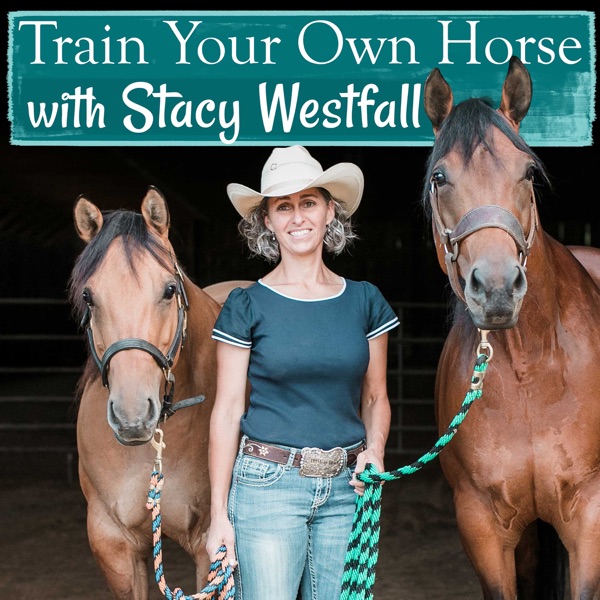
Stacy Westfall teaches people how to understand, enjoy and successfully train their own horses. In her podcast, she shares all of her knowledge in her area of expertise: horses. She offers insights into issues that riders face in their own minds as well as the way they are viewing the challenges and goals they have with horses. She shares tips on becoming a better rider as well as a better leader for your horse. Discover how you can understand things from your horses point of view so that you can enjoy the learning process with your horse. When you are able to understand what your horse is experiencing mentally and physically the process of learning new things becomes more enjoyable. Your goals may be showing, trail riding or simply enjoying life with horses-all of which Stacy enjoys herself. She shares her own struggles and successes to allow listeners to understand that everyone experiences ups and downs. Through her podcast, website, YouTube channel and social media Stacy answers questions about: Fear, when to sell a horse, goal setting, safety, ground work, trailer loading, lead changes, reining, spins, stops, western dressage, ranch riding, when to get help, lessons, clinics and improving your safety, success and enjoyment of horses.
On the charts
Every published chart this podcast appears in, in the snapshot behind this page. Each one links to the chart it came off.
From the feed
The latest episodes published to this podcast’s own RSS feed. Titles and descriptions are the publisher’s.
In this episode, Stacy shares why she's taking a winter break from the podcast after seven years of weekly episodes. She talks about stepping into the role of student again—traveling, taking lessons in new disciplines, and learning alongside the horses she's trained. Stacy also explains how watching her horses make their own connections, like Willow linking a dressage exercise to the spin, deepens her understanding and shapes her next steps. Key takeaways: – Why taking time to learn from a new perspective can strengthen your partnership with your horse – How seasoned horses often reveal connections between disciplines long before we see them – The value of creating space to regroup, reset, and return with clarity – How you can stay connected while the podcast is on break—and how to share your feedback for future episodes This episode offers a thoughtful pause before the next chapter. Stacy invites listeners to revisit past episodes, stay connected through her website and email list, and share what they'd like to hear more of when the podcast returns.
In this episode, Stacy explains how teaching a horse to respond to more than one cue—whether that's leading and sending, or using reins, legs, and voice—builds understanding that holds up anywhere. The strength comes from having multiple ways to do things. Key takeaways: Why relying on one cue or method can limit your horse's understanding How variety in cues creates confidence and consistency How deeper understanding shows up in both groundwork and riding This episode explores how developing multiple ways to communicate strengthens both horse and rider—creating clearer responses, better focus, and true understanding.
This episode explores why moments of discomfort are not only normal but necessary—for both horses and riders—as they grow and learn together. Stacy explains how recognizing discomfort as part of the process changes the way we approach training and respond to our horses. Key takeaways: – Discomfort doesn't always signal that something is wrong—it's often the sign that learning is happening. – Horses "ask questions" through movement, and our ability to stay calm helps them find answers. – Riders often want certainty to avoid causing stress, but growth requires a stretch beyond the comfort zone. – Recognizing when you need new skills—or outside guidance—transforms frustration into clarity. This episode examines how accepting discomfort as a normal part of learning builds resilience, trust, and understanding—both in yourself and in your horse.
This episode explores what hesitation at halter pressure really means—whether you're starting a young horse or checking the foundation of an older one. Stacy explains why the horse deserves to understand pressure from straight forward before being tied, and how to safely prepare for the moment when the wall will only "speak" through halter pressure. Key takeaways: – The random "jog-off test" reveals whether horses truly understand halter pressure or just follow patterns and extra cues – Lunging with inside turns creates safe, controlled opportunities to introduce straight-forward pressure before tying – Common handler habits—walking back, switching to driving cues, or adding tools—delay true learning about halter pressure – Two predictable reactions to sudden pressure show whether a horse is prepared for tying or practicing unsafe responses This episode examines how testing halter pressure understanding builds trust, safety, and clarity. It's especially valuable for riders whose horses sometimes lag, brace, or pull back—reminding us that revisiting these preschool lessons can reveal and repair missing links in any horse's training.
This episode explores how a horse's lightness can quietly fade long after the "preschool" stage—and how that process often begins in the smallest, most overlooked moments of handling. Using Baby Whisper's first haltering lessons as a lens, Stacy shows how early experiences with pressure and release shape a horse's lifelong feel, and how similar patterns appear in mature horses that have learned to lean or resist. Key takeaways: – Lightness isn't something added later—it's created, or lost, from the very first moments of contact – Horses become heavy when we stop noticing where release actually happens – Even two pounds of unnoticed pressure on a lead rope can reshape a horse's expectations – True refinement begins by returning to the body, not the halter This episode examines how lightness develops—and how it disappears—through the rider's timing, awareness, and feel. Whether you're leading, riding, or refining, it reveals why every conversation with your horse begins with how you release.
This episode explores how bend can be developed through the horse's body—beginning in the shoulders and hips and flowing forward to the head and neck. Key takeaways: – The head and neck often reflect what's happening in the shoulders and hips – Hear how the same draw exercise used with foals applies to a 17-year-old horse on the lunge line – Understand how moving the shoulders and hips creates the bend riders often try to fix with the rein – Discover how the foundation seen in groundwork carries through to bridleless riding, where the body leads and the head follows This episode examines how developing bend through the body gives meaning to the aids from your hands, legs, and tools—creating clarity that lasts from a horse's first lessons to its most advanced work.
The earliest lessons in a horse's life often echo through every stage that follows—and understanding them can transform how you work with horses of any age. In this first episode of the Preschool of Horsemanship series, Stacy Westfall shares what her foal Whisper taught her about curiosity, space, and timing, and how those same principles apply whether you're leading, lunging, or riding. What begins as a foal's natural curiosity becomes the key to creating willing, connected responses throughout a horse's lifetime. Key takeaways: – Curiosity is the foundation of learning for both horse and rider – Stepping back can spark more engagement than stepping forward – Recognizing push, neutral, and draw energy reveals unseen conversations – The earliest lessons aren't about control—they're about invitation This episode helps you recognize how curiosity and draw energy influence every interaction—so your horse begins to look to you, not away from you—building clearer communication and connection at every stage of horsemanship.
In this episode, Stacy Westfall explores how the challenges of age and physical effort intersect with the stories we tell ourselves. From running a 10K at 51 to coaching riders of all ages, she reveals how separating mental resistance from physical reality opens new possibilities—both in the saddle and in life. Key takeaways: – The body presents real challenges, but the mind often adds hidden limits – Physical strain can reveal the power of choosing a different story – Decision points become clearer when you separate thoughts from facts – Growth is possible at every decade, but only if you keep asking what's possible This episode examines how aging, physical effort, and mindset weave together. It's for anyone who has felt the tug-of-war between body and belief and wants to see how shifting perspective can change what feels possible.
In this episode, Stacy Westfall unpacks three key topics that shape both riding and life: goal setting without overwhelm, success defined from within, and the mindset you bring before the moment begins. Key takeaways: What it means to set a goal without letting it take over your thinking Why measuring success goes beyond ribbons, scores, or outside opinions How the mindset you choose beforehand shifts the entire experience Why concentrated moments magnify lessons already present in daily rides This episode examines how compressed experiences reveal the deeper patterns in horse and rider, offering lessons that carry far beyond a single ride.
What makes some riders succeed where others stall out? In this episode, Stacy Westfall unpacks Tony Robbins' model of state, story, and strategy and shows how lasting progress comes from more than just finding the right plan. She explains how success often depends on the unseen layers that shape choices in the arena and beyond. Key takeaways: – Chasing strategies while ignoring state and story leads to frustration and stalled progress – The story you tell yourself directly colors how you interpret and apply strategy – Your emotional state sets the tone for both your ride and your horse's response – Shifting state and story first allows the right strategies to actually work This episode examines how the interplay of state, story, and strategy influences both horse training and personal growth. Strategy gives you the steps, story gives you the meaning, and state gives you the power to use them.
When riders add layers of communication, the line between offering support and making a correction can blur. In this episode, Stacy Westfall shows how the same physical aids—pick up, guide, release—can create very different experiences for the horse depending on the rider's intent and timing. Key takeaways: – What makes steady support feel so different from a late correction – Why the same aid can either build confidence or create tension – How horses reveal whether they're guided or corrected – What riders must notice to make guidance clear This episode explores how horses interpret the difference between guidance and correction, and what that means for riders who want to communicate with more clarity, reduce tension, and build trust.
In this episode, Stacy Westfall explores how a simple cue system can evolve into a conversation with your horse. Through real examples from her own riding and her students, Stacy shows how anticipation, contradictions, and "mistakes" often signal effort and learning rather than resistance. Key takeaways: What looks like a problem may actually be proof your horse is trying to apply what you've taught Anticipation isn't something to eliminate, but a tool that can reveal missing pieces in your cue system Strengthening one cue often exposes weaknesses in another—this is part of balanced communication Viewing feedback from your horse as part of a loop transforms training into a two-way conversation This episode examines how shifting your perspective—allows you to recognize effort, guide balance, and deepen the connection with your horse.
In this episode, Stacy Westfall explains how survival riding develops, why it often goes unrecognized, and what keeps riders stuck in that cycle. Drawing on stories from her own childhood as well as patterns she sees in adult riders, Stacy reveals the two main roots of survival riding and why avoiding the uncomfortable work only makes the problem grow. Key takeaways: – Survival riding often begins with not knowing what you don't know, leaving riders unprepared for escalation – Guilt and fear in adult riders can keep them from practicing the very skills that would prevent runaway moments – Short-term safety choices can mask long-term gaps in communication and control – Building advanced skills creates readiness and dissolves the need for "white-knuckle" riding This episode examines how survival riding shows up, why it persists, and how skill-building replaces scraping by with confidence. It's especially relevant for riders who recognize moments of barely holding it together and want to move toward deliberate, prepared riding.
When things are "kind of working," it's tempting to stay the course—even if you're not fully satisfied. In this episode, Stacy Westfall explores the hidden resistance that keeps riders from making changes, even when they know it could improve safety, connection, or performance. Drawing from examples across different riding levels, Stacy reveals why rocking the boat feels harder when nothing is terribly wrong…and why that's exactly when change matters most. Key takeaways: – Feeling dissatisfied but resisting change often comes from fearing the discomfort it will create—both for you and your horse – Small, untracked "1% improvements" can mask backward steps if you're not measuring progress over time – Avoiding disruption at home can lead to bigger problems when surprises happen on the trail or in the show ring – Off-season is the best time for deliberate skill-building, even if it temporarily disturbs your "polished" picture This episode examines the mental and emotional side of choosing change—especially when it means creating short-term resistance for long-term gain. It's for riders who want to move beyond "good enough" and step into deliberate, measurable progress with their horses.
In this episode, Stacy Westfall offers three distinct ways to think about how horses learn to handle surprise. Drawing from her experiences with horses like Willow, she explains how layered training builds connection, responsiveness, and the ability to recover quickly when the unexpected happens. Key takeaways: A horse's recovery depends on the quality of connection already built through shared attention What may feel like micromanagement at first becomes the seamless responsiveness of an experienced team Rhythm teaches predictability, but random prepares the horse for real-life surprises Horses can be trained to handle inconsistencies—not by avoiding them, but by making them part of the conversation This episode examines how training shapes a horse's response to the unexpected—and how your mindset, habits, and choices all play a role in what unfolds next.
Most riders only think about safety after something goes wrong. But what if the most effective way to feel secure—and actually be safe—is to prepare before a problem ever shows up? In this episode, Stacy explains why proactive riding builds not just safety, but also clarity, emotional stability, and dependable habits that hold up under pressure. Key takeaways: – Waiting for a problem before you teach a skill puts both you and your horse at risk – Practicing "the answer" ahead of time builds clarity – Emotional tone during training shapes long-term rider and horse behavior – Safety is not reactive—it's the result of consistent, intentional preparation This episode demonstrates how teaching the answer before it's "needed" can transform your confidence, your horse's trust, and your ability to respond clearly when the unexpected happens. It's a practical reminder that true safety comes from preparation—not luck.
If you've ever hesitated mid-ride, wondering how to acknowledge your horse without losing momentum, you're not alone. In this episode, Stacy Westfall explores the often-overlooked skill of pausing in motion —a subtle shift that turns mechanical movements into a connected dance between horse and rider. Key takeaways: – Long pauses work in early training, but can unintentionally disrupt rhythm and clarity – A well-timed pause within the movement builds engagement and subtle responsiveness – Push and pull energies are essential, but the space between them creates true connection – Learning to pause without stopping allows your horse to stay mentally present and curious This episode examines the art of timing and suspension across groundwork, trailer loading, and collection. It's designed for riders who want to move beyond mechanics and create seamless communication through feel, timing, and the power of a purposeful pause.
Most riders want a focused horse—but many unknowingly skip the steps required to develop it. In this episode, Stacy Westfall explores four common reasons riders don't actively teach focus, and how this omission affects connection, performance, and safety. Key takeaways: – Some riders don't believe focus is teachable—or even possible—and assume it's just a fixed trait – Many confuse physical obedience with mental engagement, ignoring signs of distraction – "Good enough" behavior often hides a lack of real focus, which unravels under pressure – Riders frequently wait until the horse is overwhelmed before trying to teach focus—when it's too late This episode examines how small oversights in daily work can lead to bigger issues in new environments or under stress. It provides riders with the awareness to identify subtle distractions and the tools to create more mentally present, engaged horses—long before they "need it."
Ranking source
Apple Podcasts rankings via the Mato Topic Intelligence Platform.
Observed September 20, 2026.
Apple and Apple Podcasts are trademarks of Apple Inc., registered in the U.S. and other countries.
Pairs with
Bring this source into Mato to read its transferable patterns, then turn them into an original show for your own audience.