
Live Interview
And why does that matter?
This is how a Mato agent talks. Take the other seat: answer a few and feel it follow the thread.
Podcast charts
Published by MAP IT FORWARD
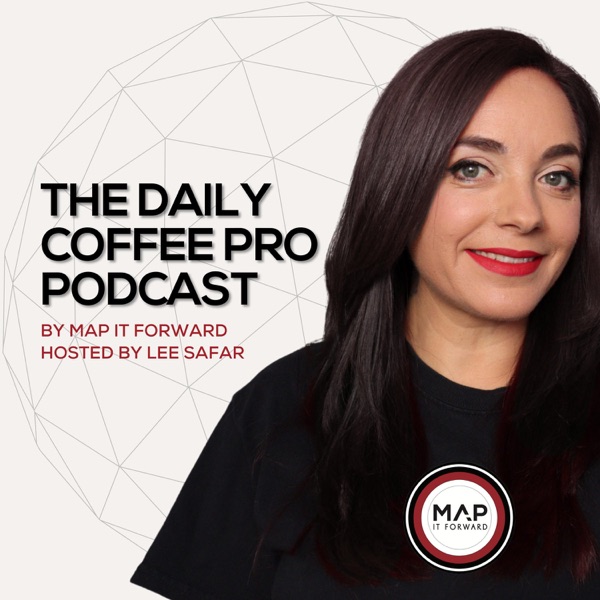
The Daily Coffee Pro Podcast by MAP IT FORWARD provides content to the Global Specialty Coffee Industry every weekday. Episodes are released Monday to Friday at 1 am PT. Each week, a 5-part series is released with a single guest exploring a theme that the guest is an expert in. Series are relevant to current events happening in the specialty coffee industry, including business, logistics, economics, geopolitics, industry challenges, and more. Episodes are hosted by specialty coffee veteran, entrepreneur, and business advisor, Lee Safar. All episodes are unedited and typically run 15 - 20 minutes. The content on this podcast is suited to members of the global coffee industry keen on challenging the traditional narrative within the fast-evolving industry from a constructive and curious perspective. This is a conversational podcast, and from time to time, you will hear cursing because of the conversational nature of the discussions. Our values at MAP IT FORWARD are curiosity, integrity, authenticity, and openness. Our mission at MAP IT FORWARD is "Conspiring to each other's success". The video version of this podcast is available on YouTube at https://www.youtube.com/mapitforward Find out more about MAP IT FORWARD at https://www.mapitforward.coffee
On the charts
Every published chart this podcast appears in, in the snapshot behind this page. Each one links to the chart it came off.
From the feed
The latest episodes published to this podcast’s own RSS feed. Titles and descriptions are the publisher’s.
Advertising Sponsor MIF Coffee Business Plan Review Service: AI can write a business plan. We'll help you determine whether it will work in the real world. Email support@mapitforward.org or DM @mapitforward.coffee to get started. Episode Description This is episode 2 of a five-part series on The Daily Coffee Pro podcast by Map It Forward with Rodolfo Peñalba, General Manager of COMSA, and Cristian Dubón, a board member and coffee producer from the cooperative in Marcala, Honduras. In Part 1, we explored how COMSA built a commercial relationship with Benecke Coffee spanning more than two decades. In this episode, we begin looking at how that relationship expanded during the 2024/25 coffee season, and at the financial structure beneath international coffee trading that left COMSA exposed when Benecke later entered insolvency. According to COMSA, J.J. Darboven developed an initiative connected to its Café Intención business in which trees would be planted in coffee-producing communities in connection with coffee sold. COMSA says the project initially involved three Honduran cooperatives supplying a combined 105 containers. When two of the cooperatives reduced the volume they could commit, COMSA says it agreed to take on a much larger share of the program. That opportunity created the potential for significant growth for COMSA and its producers. But it also required significant financing. Rodolfo and Cristian explain that when COMSA signs a coffee contract, it must obtain the money needed to buy coffee from farmers, collect it, process it, prepare it for export, meet quality requirements, pay associated costs and deliver the coffee to port. The importer does not necessarily finance that process. COMSA does. The cooperative therefore relies on loans from banks and other financial institutions to fulfil its contracts, with the expectation that once the coffee is shipped and the required documents are provided, the importer will pay and COMSA can repay those loans. That system depends heavily on trust and contractual performance. According to COMSA, that is where the relationship with Benecke ultimately broke down. Rodolfo says the cooperative fulfilled its obligations and shipped the coffee, but payment did not arrive as expected. He describes the consequences as one of the most serious challenges COMSA has experienced in its history. COMSA says the unpaid exposure ultimately involved 12 containers and that the financial consequences now threaten a substantial portion of the cooperative’s accumulated capital. Rodolfo also discusses the impact this has had on COMSA’s relationships with its banks and its producers. The episode raises a much broader question for the global coffee industry: If producers and cooperatives are required to borrow money to fulfil contracts before importers pay them, who is actually carrying the financial risk in the coffee supply chain? In Part 3, we examine when COMSA says it first began seeing signs that something was wrong with Benecke’s payments, and what happened when COMSA was asked to continue shipping coffee. You can connect with COMSA here: Facebook: https://www.facebook.com/share/1c5tTT89Rw/?mibextid=wwXIfr Instagram: https://www.instagram.com/comsa_oficial/ Website: https://www.comsa.hn LinkedIn: https://www.linkedin.com/in/comsa-oficial Editorial Note: This episode forms part of Map It Forward’s ongoing examination of the Benecke Coffee controversy. The statements made by Rodolfo Peñalba and Cristian Dubón represent COMSA’s account of events. Some claims discussed in this series remain disputed or have not yet been independently verified. Map It Forward has sought comment from relevant parties and will continue to update its coverage if additional information or evidence becomes available. Where allegations, interpretations or claims are discussed, they should not be understood as findings of legal liability or wrongdoing. If you found this episode valuable, make sure you’re subscribed to the podcast and follow along for the rest of this 5-part series. *************************************** About Map It Forward The Daily Coffee Pro is produced by Map It Forward, supporting coffee professionals globally across the supply chain. Website: ht tps://mapitforward.coffee Mailing list: https://mapitforward.coffee/mailinglist Patreon: https: //www.patreon.com/mapitforward ‘The Coffee Report’: https://www.patreon.com/mapitforward Instagram: https://www.instagram.com/mapitforward.coffee/ Contact: support@mapitforward.org
Advertising Sponsor This episode is brought to you by Arcadia Green Coffee , Colombian coffee exporters taking fresh green coffee from Colombia to the world, farm to roastery, direct. New office now open in the UK. Instagram: https://www.instagram.com/arcadiagreencoffee/ WhatsApp: https://wa.me/353877871523 Episode Description This is episode 1 of a five-part series on The Daily Coffee Pro Podcast by Map It Forward with Rodolfo Peñalba, General Manager of COMSA, and Cristian Dubón, a board member and coffee producer from the cooperative in Marcala, Honduras. Following our previous series with Peruvian coffee cooperatives involved in the Benecke Coffee controversy, this series examines COMSA’s account of its own long-standing commercial relationship with Benecke, its connections with J.J. Darboven, and what happened when that relationship eventually broke down. Before we can understand the dispute, however, we need to understand what was built. COMSA was founded in 2001 by a small group of coffee producers looking for a better way to sell their coffee and improve conditions for farming families. Rodolfo explains that the cooperative began with 61 small producers and very little capital, but with the ambition to create stronger access to international markets through organic production, quality coffee and collective action. In this episode, Rodolfo and Cristian explain why cooperatives play such an important role for small coffee farmers in Honduras, where they say approximately 90% of producers operate farms smaller than 10 hectares and many individual producers have limited direct access to international importers and roasters. They also discuss COMSA’s emphasis on organic agriculture, environmental responsibility, education and long-term community development, and how the cooperative grew from its beginnings into an organisation with significant infrastructure, technical support programs and almost $4 million in accumulated capital belonging to its members. Most importantly for this series, we begin tracing COMSA’s relationship with Benecke Coffee. According to Rodolfo, COMSA first connected with Benecke through Oxy Café in Honduras and began doing business with Benecke around 2002. That relationship would continue for more than two decades. COMSA also describes how coffee sold through Benecke became connected with J.J. Darboven, including coffee used for the Café Intención brand, and how becoming Fairtrade certified in 2007 helped COMSA increase its access to international markets. This first episode is the foundation for everything that follows. The later dispute cannot be understood simply as a customer failing to pay an invoice. COMSA says this was a commercial relationship built over more than twenty years, a relationship around which producers, financing arrangements, infrastructure and expectations of mutual performance developed. In the next episode, we go deeper into how that relationship expanded and the financial structure required for a cooperative like COMSA to fulfil large international coffee contracts. You can connect with COMSA here: Facebook: https://www.facebook.com/share/1c5tTT89Rw/?mibextid=wwXIfr Instagram: https://www.instagram.com/comsa_oficial/ Website: https://www.comsa.hn LinkedIn: https://www.linkedin.com/in/comsa-oficial Editorial Note: This episode forms part of Map It Forward’s ongoing examination of the Benecke Coffee controversy. The statements made by Rodolfo Peñalba and Cristian Dubón represent COMSA’s account of events. Some claims discussed in this series remain disputed or have not yet been independently verified. Map It Forward has sought comment from relevant parties and will continue to update its coverage if additional information or evidence becomes available. Where allegations, interpretations or claims are discussed, they should not be understood as findings of legal liability or wrongdoing. If you found this episode valuable, make sure you’re subscribed to the podcast and follow along for the rest of this 5-part series. *************************************** About Map It Forward The Daily Coffee Pro is produced by Map It Forward, supporting coffee professionals globally across the supply chain. Website: ht tps://mapitforward.coffee Mailing list: https://mapitforward.coffee/mailinglist Patreon: https: //www.patreon.com/mapitforward ‘The Coffee Report’: https://www.patreon.com/mapitforward Instagram: https://www.instagram.com/mapitforward.coffee/ Contact: support@mapitforward.org
Advertising Sponsor MIF Coffee Business Plan Review Service: AI can write a business plan. We'll help you determine whether it will work in the real world. Email support@mapitforward.org or DM @mapitforward.coffee to get started. Episode Description This is Part 5 of a five-part series of The Daily Coffee Pro Podcast by Map It Forward examining what happened between Benecke Coffee in Germany and coffee cooperatives in Peru pursuing claims for coffee they say remains unpaid. Across the first four episodes, the series followed the relationships between the cooperatives and Benecke, the movement of the coffee from Peru to Germany, the growing payment delays, the transition into insolvency, and the challenge of recovering money through an international creditor process. In this final episode, the focus changes. The question is no longer simply what happened? It is: What should the global coffee industry learn from this? Podcast host Lee Safar is joined by Emerson Carrasco, General Manager of Sanchirio Palomar Cooperative; Anabel Barrientos, General Manager of Ubiriki Valley Cooperative, and Óscar Inocente, a lawyer working with the affected Peruvian cooperatives. Ana Donneys continues translating for the series and is a contributor to the discussion. Emerson says that if Sanchirio had known Benecke was experiencing serious financial problems, the cooperative could have chosen not to ship and instead sold the coffee to buyers with stronger financial capacity. Anabel says one of the clearest lessons is that years of trading history cannot replace proper due diligence. She argues that cooperatives need to assess the financial position, debt, payment capacity and history of buyers before renewing contracts. Óscar broadens the discussion to the rest of the supply chain, arguing that risk and accountability need to be reconsidered across producers, cooperatives, buyers, certifiers and financiers. At the same time, he says he still believes in Fairtrade and sees this case as an opportunity for the system to improve rather than something that invalidates it. Ana Maria Donneys also joins the conversation as a producer, reminding us that behind every contract and container are people who may have invested months or years of work before receiving payment. Correction: Arthur E. Darboven ceased serving as Managing Director of the Benecke management company on 25 April 2024. His ownership position and any continuing involvement after that date remain under investigation. Connect with our guests here: Anabel Barrientos https://www.linkedin.com/company/cooperativa-cafetalera-valle-ubiriki gerencia@ubiriki.com.pe Emerson Carrasco https://www.linkedin.com/in/emerson-carrasco-791b9871/ https://www.linkedin.com/company/sanchirio-pe ecarrasco@sanchirio.com Oscar Innocente oinocente@hotmail.com WhatsApp +51 995 147 869 https://www.linkedin.com/in/oinocente/ For media, contact Nataly Fabrikantova https://www.linkedin.com/in/nataly-fabrikantova-82609219a/ Editorial Note: This series concerns an active insolvency and ongoing creditor claims. Statements concerning Benecke Coffee, J.J. Darboven, the insolvency administration, Fairtrade and other organisations reflect the accounts, interpretations and perspectives of participants unless otherwise identified. Allegations should not be understood as findings of wrongdoing. If you found this episode valuable, make sure you’re subscribed to the podcast and follow along for the rest of this 5-part series. *************************************** About Map It Forward The Daily Coffee Pro is produced by Map It Forward, supporting coffee professionals globally across the supply chain. Website: ht tps://mapitforward.coffee Mailing list: https://mapitforward.coffee/mailinglist Patreon: https: //www.patreon.com/mapitforward ‘The Coffee Report’: https://www.patreon.com/mapitforward Instagram: https://www.instagram.com/mapitforward.coffee/ Contact: support@mapitforward.org
Advertising Sponsor This episode is brought to you by Map It Forward Podcast Advertising. Interested in advertising on this podcast? Email support@mapitforward.org to learn more. Episode Description This is Part 4 of a five-part series of The Daily Coffee Pro Podcast by Map It Forward examining what happened between Benecke Coffee in Germany and coffee cooperatives in Peru pursuing claims for coffee they say remains unpaid. In Part 3, the cooperatives explained how delayed payments became an insolvency issue and how they entered the German creditor process. Now the question becomes: what happens when an international coffee trader becomes insolvent, and the businesses waiting to be paid are cooperatives thousands of kilometres away? Podcast host Lee Safar is joined again by Emerson Carrasco, General Manager of Sanchirio Palomar Cooperative; Anabel Barrientos, General Manager of Ubiriki Valley Cooperative; and Óscar Inocente, a lawyer working with the affected Peruvian cooperatives. Ana Maria Donneys from Café Primitivo joins as translator. Óscar Inocente discusses the cooperatives’ attempts to obtain clearer information from the insolvency administration and pursue retention-of-title claims over coffee they say remained unpaid. The episode also clarifies that Sucafina did not purchase Benecke Coffee. According to information provided directly to Map It Forward, Sucafina acquired Rehm-related assets from the insolvency estate. Anabel then explains how the unpaid amounts have affected Ubiriki Valley Cooperative. She says planned producer payments, training, inputs and other activities were disrupted, while available financing was reduced by roughly half. She says this reduced the cooperative’s ability to contract coffee from around 90 containers to roughly 45. Emerson also raises a key unresolved question around one Sanchirio shipment. He says the administration stated that the coffee had been sold on 26 September 2025, while the cooperative’s shipping trace shows the container arriving in Hamburg on 10 October. The cooperative is seeking documentation to understand when the coffee was actually sold and how it is being treated inside the insolvency. In Part 5, we ask what the wider coffee industry should learn from the case. Correction: Arthur E. Darboven ceased serving as Managing Director of the Benecke management company on 25 April 2024. His ownership position and any continuing involvement after that date remain under investigation. Connect with our guests here: Anabel Barrientos https://www.linkedin.com/company/cooperativa-cafetalera-valle-ubiriki gerencia@ubiriki.com.pe Emerson Carrasco https://www.linkedin.com/in/emerson-carrasco-791b9871/ https://www.linkedin.com/company/sanchirio-pe ecarrasco@sanchirio.com Oscar Innocente oinocente@hotmail.com WhatsApp +51 995 147 869 https://www.linkedin.com/in/oinocente/ For media, contact Nataly Fabrikantova https://www.linkedin.com/in/nataly-fabrikantova-82609219a/ Editorial Note: This series concerns an active insolvency and ongoing creditor claims. Statements concerning Benecke Coffee, the insolvency administration, professional fees, asset sales and other parties reflect the accounts and perspectives of participants unless otherwise identified. Allegations should not be understood as findings of wrongdoing. If you found this episode valuable, make sure you’re subscribed to the podcast and follow along for the rest of this 5-part series. *************************************** About Map It Forward The Daily Coffee Pro is produced by Map It Forward, supporting coffee professionals globally across the supply chain. Website: ht tps://mapitforward.coffee Mailing list: https://mapitforward.coffee/mailinglist Patreon: https: //www.patreon.com/mapitforward ‘The Coffee Report’: https://www.patreon.com/mapitforward Instagram: https://www.instagram.com/mapitforward.coffee/ Contact: support@mapitforward.org
Advertising Sponsor Want to join our Map It Forward Monthly Community Discussion Group? Head to https://patreon.com/mapitforward to join the community by signing up for the "Roasted Coffee" tier for 20 USD per month. Find other like-minded people in the coffee industry. This community is open to all stakeholders in the coffee industry Episode Description This is Part 3 of a five-part series of The Daily Coffee Pro Podcast by Map It Forward examining what happened between Benecke Coffee in Germany and coffee cooperatives in Peru pursuing claims for coffee they say remains unpaid. In Part 1, we met the cooperatives and learned about the financial and commercial risks they carry on behalf of hundreds of smallholder coffee producers. In Part 2, we followed the coffee from Peru to the export vessel and examined how the contracts, documentation and payment process were supposed to work. Now the series reaches the point where delayed payments became something much more serious. Podcast host Lee Safar is joined again by Emerson Carrasco, General Manager of Sanchirio Palomar Cooperative; Anabel Barrientos, General Manager of Ubiriki Valley Cooperative; and Óscar Inocente, a lawyer working with the affected Peruvian cooperatives. Ana Maria Donneys from Café Primitivo joins as translator. This is Part 3 of our five-part series examining what happened between Benecke Coffee and coffee cooperatives in Peru. In Part 2, we followed the coffee and examined how payment was expected to work. In this episode, delayed payments become an insolvency problem. Emerson Carrasco says Sanchirio began recognising warning signs when Benecke’s payments during 2025 were taking more than 40 days, compared with the roughly 15–20 days he says was typical with other buyers. He says the cooperative repeatedly sought information and received reassurances from Clemens von Storch that payment would be made and that existing contracts should continue to be shipped. Then, on 24 October 2025, Emerson says Sanchirio received a letter stating that Benecke was entering insolvency under self-administration. The episode follows the cooperatives into the creditor process: uploading contracts, invoices, bills of lading and other evidence, registering their claims, and travelling to Hamburg for a creditors’ meeting in April 2026. Óscar also discusses concerns about how creditor information was communicated and why some other cooperatives may not have registered in time. The final section introduces the retention-of-title issue. Emerson says the cooperatives raised contractual provisions they believe may affect how some of the unpaid coffee is treated inside the insolvency. In Part 4, we look at what the insolvency has meant in practice for the cooperatives. Correction: Arthur E. Darboven ceased serving as Managing Director of the Benecke management company on 25 April 2024. His ownership position and any continuing involvement after that date remain under investigation. Connect with our guests here: Anabel Barrientos https://www.linkedin.com/company/cooperativa-cafetalera-valle-ubiriki gerencia@ubiriki.com.pe Emerson Carrasco https://www.linkedin.com/in/emerson-carrasco-791b9871/ https://www.linkedin.com/company/sanchirio-pe ecarrasco@sanchirio.com Oscar Innocente oinocente@hotmail.com WhatsApp +51 995 147 869 https://www.linkedin.com/in/oinocente/ For media, contact Nataly Fabrikantova https://www.linkedin.com/in/nataly-fabrikantova-82609219a/ Editorial Note: This series concerns an active insolvency and ongoing creditor claims. Statements concerning Benecke Coffee, Clemens von Storch, Tobias Brinkmann, the insolvency proceedings and other parties reflect the accounts and perspectives of participants unless otherwise identified. Allegations should not be understood as findings of wrongdoing. If you found this episode valuable, make sure you’re subscribed to the podcast and follow along for the rest of this 5-part series. *************************************** About Map It Forward The Daily Coffee Pro is produced by Map It Forward, supporting coffee professionals globally across the supply chain. Website: ht tps://mapitforward.coffee Mailing list: https://mapitforward.coffee/mailinglist Patreon: https: //www.patreon.com/mapitforward ‘The Coffee Report’: https://www.patreon.com/mapitforward Instagram: https://www.instagram.com/mapitforward.coffee/ Contact: support@mapitforward.org
Advertising Sponsor Get “ The Coffee Report by Map It Forward” directly to your inbox every Friday by signing up for either our Green Coffee or Roasted Coffee Patreon tiers in our Patreon community. Head to https://www.patreon.com/collection/2275485 to read our first report for free. Sign up for as little as $5 per month. Episode Description This is Part 2 of our five-part series on The Daily Coffee Pro examining the dispute between Benecke Coffee and coffee cooperatives in Peru pursuing unpaid claims. In Part 1, we established who the cooperatives are and the financial and commercial risks they carry. In this episode, we follow the coffee. Lee Safar, Emerson Carrasco, Anabel Barrientos, and Óscar Inocente, together with Ana Donneys as translator, explain how coffee moves from the farm to the cooperative, through processing and financing, and onto the vessel at Callao. Óscar describes the investment cooperatives make in certification, production support, transport and finance before payment is received. He says financing can carry annual interest rates of approximately 14–18%. The conversation then examines the commercial terms. Emerson explains the export documentation process and says payment from a German importer would normally be expected within approximately 15–30 days. The episode also introduces the retention-of-title issue raised by the cooperatives, which becomes increasingly important later in the series. Anabel then describes the point at which Ubiriki began to realise that Benecke’s payment delays were no longer normal. She says the cooperative continued shipping after receiving reassurances that payment would be made. The final section introduces questions about Fairtrade’s role after Lee says Fairtrade International confirmed awareness of payment arrears involving Benecke from June 2025. In Part 3, the series moves from delayed payments into insolvency. Correction: Arthur E. Darboven ceased serving as Managing Director of the Benecke management company on 25 April 2024. His ownership position and any continuing involvement after that date remain under investigation. Connect with our guests here: Anabel Barrientos https://www.linkedin.com/company/cooperativa-cafetalera-valle-ubiriki gerencia@ubiriki.com.pe Emerson Carrasco https://www.linkedin.com/in/emerson-carrasco-791b9871/ https://www.linkedin.com/company/sanchirio-pe ecarrasco@sanchirio.com Oscar Innocente oinocente@hotmail.com WhatsApp +51 995 147 869 https://www.linkedin.com/in/oinocente/ For media, contact Nataly Fabrikantova https://www.linkedin.com/in/nataly-fabrikantova-82609219a/ Editorial Note: This series concerns an active insolvency and ongoing creditor claims. Statements concerning Benecke Coffee, Fairtrade, FLOCERT, the insolvency proceedings and other organisations reflect the accounts and perspectives of participants unless otherwise identified. Allegations should not be understood as findings of wrongdoing. If you found this episode valuable, make sure you’re subscribed to the podcast and follow along for the rest of this 5-part series. *************************************** About Map It Forward The Daily Coffee Pro is produced by Map It Forward, supporting coffee professionals globally across the supply chain. Website: ht tps://mapitforward.coffee Mailing list: https://mapitforward.coffee/mailinglist Patreon: https: //www.patreon.com/mapitforward ‘The Coffee Report’: https://www.patreon.com/mapitforward Instagram: https://www.instagram.com/mapitforward.coffee/ Contact: support@mapitforward.org
Advertising Sponsor This episode is brought to you by Arcadia Green Coffee , Colombian coffee exporters taking fresh green coffee from Colombia to the world, farm to roastery, direct. New office now open in the UK. Instagram: https://www.instagram.com/arcadiagreencoffee/ WhatsApp: https://wa.me/353877871523 Episode Description This is episode 1 of a five-part investigative series of The Daily Coffee Pro Podcast by Map It Forward examining what happened between Benecke Coffee in Germany and coffee cooperatives in Peru pursuing claims for coffee they say remains unpaid. Across this series, we are asking a larger question: What happens when trust, trade and accountability break down in the global coffee supply chain? In this first episode, podcast host Lee Safar is joined by Emerson Carrasco, General Manager of Sanchirio Palomar Cooperative; Anabel Barrientos, General Manager of Ubiriki Valley Cooperative; and Óscar Inocente, a lawyer working with four of the affected Peruvian cooperatives. Ana Maria Donneys from Café Primitivo joins the series as translator. Before getting into the Benecke dispute itself, this episode establishes who these cooperatives are and the role they play in the lives and businesses of hundreds of smallholder coffee producers. **Correction: In this episode, Arthur E. Darboven was described in a way that could suggest he remained part of Benecke Coffee’s executive management during the 2025 payment crisis. Subsequent verification of corporate-register information indicates that he ceased serving as Managing Director of Benecke on 25 April 2024. His ownership position after that date, and any continuing involvement in Benecke’s affairs, remain under investigation. We are updating the record accordingly. Emerson explains that Sanchirio Palomar represents 633 small coffee producers, including 220 women, while Anabel describes Ubiriki Valley as a cooperative with 845 members. The conversation explores the work cooperatives carry out across production support, certification, quality control, processing, financing, transportation and access to international coffee markets. That context matters because when an international coffee transaction fails, the unpaid invoice is only one part of the risk. The cooperatives have already financed coffee purchases, supported production, processed and prepared the coffee for export, managed certifications and logistics, and assumed significant commercial and financial exposure before receiving payment from an overseas buyer. The conversation then turns to how the cooperatives began working with Benecke Coffee. Anabel says Ubiriki had worked with Benecke for more than five years and historically had a good commercial relationship with the company, with approximately 25–30% of the cooperative’s sales going through Benecke. Emerson says Sanchirio Palomar began trading with Benecke in 2025 and sold seven containers of organic Fairtrade coffee. According to Emerson, five containers were paid for while two remained unpaid at the time of recording. Óscar says the four Peruvian cooperatives he is working with are pursuing claims connected to approximately 18 containers with an estimated value of around US$3 million. He also says there may be additional cooperatives that were affected but did not become formally registered creditors in the insolvency proceedings. Episode 1 lays the foundation for the rest of the investigation: who the cooperatives represent, how much risk they carry, how the relationships with Benecke developed, and the scale of the claims now being pursued. In Episode 2, we follow the coffee from Peru to Germany to understand how these transactions were structured, when payment was expected, and where the commercial process began to break down. Connect with our guests here: Anabel Barrientos https://www.linkedin.com/company/cooperativa-cafetalera-valle-ubiriki gerencia@ubiriki.com.pe Emerson Carrasco https://www.linkedin.com/in/emerson-carrasco-791b9871/ https://www.linkedin.com/company/sanchirio-pe ecarrasco@sanchirio.com Oscar Innocente oinocente@hotmail.com WhatsApp +51 995 147 869 https://www.linkedin.com/in/oinocente/ For media, contact Nataly Fabrikantova https://www.linkedin.com/in/nataly-fabrikantova-82609219a/ Editorial Note: This series concerns an active insolvency and ongoing creditor claims. Statements concerning Benecke Coffee, the insolvency proceedings and other organisations reflect the accounts of the participants unless otherwise identified. Allegations should not be understood as findings of wrongdoing. If you found this episode valuable, make sure you’re subscribed to the podcast and follow along for the rest of this 5-part series. *************************************** About Map It Forward The Daily Coffee Pro is produced by Map It Forward, supporting coffee professionals globally across the supply chain. Website: ht tps://mapitforward.coffee Mailing list: https://mapitforward.coffee/mailinglist Patreon: https: //www.patreon.com/mapitforward ‘The Coffee Report’: https://www.patreon.com/mapitforward Instagram: https://www.instagram.com/mapitforward.coffee/ Contact: support@mapitforward.org
Advertising Sponsor This episode is brought to you by Map It Forward Podcast Advertising. Interested in advertising on this podcast? Email support@mapitforward.org to learn more. Episode Description This is Part 5 of a five-part series with Matthew Thornton from Arkena Coffee Market on The Daily Coffee Pro Podcast by Map It Forward hosted by Lee Safar, exploring where technology is genuinely changing the coffee industry, and where it still isn't. Throughout this series, Lee Safar and Matthew Thornton have examined where technology is appearing across the coffee supply chain, why some innovations succeed, where important gaps remain, and how technology often looks very different from the perspective of producers. The series concludes with one final question: Why do so many coffee technology products fail to gain adoption? Building software has never been easier. Artificial intelligence has dramatically reduced the barriers to creating new digital products, and coffee is seeing more technology startups than ever before. But creating technology is only the beginning. Convincing people to trust it, change their behaviour, and continue using it is a far more difficult challenge. Lee and Matthew explore why adoption depends on much more than features. They discuss the importance of trust, relevance, convenience and incentives, and why many technology companies struggle because they build products before fully understanding the people they hope to serve. Matthew also shares practical advice from his own experience building Arkena Coffee Market, offering lessons for entrepreneurs, software developers and anyone creating products for the coffee industry. From identifying genuine customer needs to embracing minimum viable products and remaining flexible as markets evolve, the conversation becomes as much about building sustainable businesses as it is about building technology. The series closes with a reminder that technology alone cannot solve coffee's structural challenges. Lasting innovation begins by listening carefully, understanding incentives, and creating solutions that make life meaningfully better for the people using them. Connect with Matthew Thornton and Arkena Coffee Market here: Instagram: https://www.instagram.com/arkenacoffee/ Website: https://arkenacoffee.com/ If you found this episode valuable, make sure you’re subscribed to the podcast and follow along for the rest of this 5-part series. *************************************** About Map It Forward The Daily Coffee Pro is produced by Map It Forward, supporting coffee professionals globally across the supply chain. Website: ht tps://mapitforward.coffee Mailing list: https://mapitforward.coffee/mailinglist Patreon: https: //www.patreon.com/mapitforward ‘The Coffee Report’: https://www.patreon.com/mapitforward Instagram: https://www.instagram.com/mapitforward.coffee/ Contact: support@mapitforward.org
Advertising Sponsor Get “ The Coffee Report by Map It Forward” directly to your inbox every Friday by signing up for either our Green Coffee or Roasted Coffee Patreon tiers in our Patreon community. Head to https://www.patreon.com/collection/2275485 to read our first report for free. Sign up for as little as $5 per month. Episode Description This is Part 4 of a five-part series with Matthew Thornton from Arkena Coffee Market on The Daily Coffee Pro Podcast by Map It Forward hosted by Lee Safar, exploring where technology is genuinely changing the coffee industry, and where it still isn't. Across the first three episodes, Lee Safar and Matthew Thornton examined where technology exists, why some solutions succeed, and where the industry's biggest gaps remain. This conversation shifts the focus to perhaps the most important question of the entire series: What does technology look like from the producer's perspective? Many of the digital tools being introduced into coffee are promoted as solutions for origin, but are they actually designed to solve producers' problems, or are they primarily helping buyers meet their own commercial, sustainability or compliance requirements? Lee and Matthew explore the growing disconnect between technology built for coffee-producing countries and the people expected to use it. They discuss the important distinction between farmers and producers, why those differences matter when designing technology, and how many existing platforms prioritise reporting and compliance over improving everyday decision-making at origin. The conversation also examines one of coffee's longest-standing structural challenges: information and pricing rarely flow equally across the supply chain. If producers are expected to adopt new technology, they must receive genuine value in return—not simply become better providers of data for someone further downstream. Rather than criticising technology itself, this episode challenges the assumptions behind its design. It argues that meaningful innovation begins by understanding the realities of coffee production and recognising that lasting adoption only happens when technology creates measurable benefits for the people using it. This is a conversation about incentives, trust, and why the future of coffee technology may depend less on writing better software than on asking better questions. Connect with Matthew Thornton and Arkena Coffee Market here: Instagram: https://www.instagram.com/arkenacoffee/ Website: https://arkenacoffee.com/ If you found this episode valuable, make sure you’re subscribed to the podcast and follow along for the rest of this 5-part series. *************************************** About Map It Forward The Daily Coffee Pro is produced by Map It Forward, supporting coffee professionals globally across the supply chain. Website: ht tps://mapitforward.coffee Mailing list: https://mapitforward.coffee/mailinglist Patreon: https: //www.patreon.com/mapitforward ‘The Coffee Report’: https://www.patreon.com/mapitforward Instagram: https://www.instagram.com/mapitforward.coffee/ Contact: support@mapitforward.org
Advertising Sponsor MIF Coffee Business Plan Review Service: AI can write a business plan. We'll help you determine whether it will work in the real world. Email support@mapitforward.org or DM @mapitforward.coffee to get started. Episode Description This is Part 3 of a five-part series with Matthew Thornton from Arkena Coffee Market on The Daily Coffee Pro Podcast by Map It Forward hosted by Lee Safar, exploring where technology is genuinely changing the coffee industry, and where it still isn't. In the first two episodes, Lee Safar and Matthew Thornton explored where technology exists across the coffee supply chain and why some technologies succeed while others struggle to gain traction. Now they ask an even bigger question: What are the industry's biggest technology gaps? Rather than focusing on building more sophisticated software, Matthew argues that coffee's greatest opportunities lie in solving much more fundamental problems. Information remains fragmented across the supply chain. Pricing lacks transparency. Communication often breaks down between origin and consuming countries. Valuable data exists, but rarely reaches the people who need it most. Throughout the conversation, Lee and Matthew examine why these disconnects continue despite rapid advances in artificial intelligence and digital tools. They explore the difference between creating technology that impresses investors and creating technology that genuinely improves the way coffee businesses operate. One of the recurring themes throughout this series becomes increasingly clear in this episode: technology cannot fix broken incentives on its own. Before the industry can build better tools, it must first understand whose problems deserve solving and why many of today's systems continue to leave critical gaps unaddressed. As more technology companies enter coffee, this conversation challenges founders, business owners and industry leaders to think beyond features and ask whether they are addressing the issues that matter most across the supply chain. Connect with Matthew Thornton and Arkena Coffee Market here: Instagram: https://www.instagram.com/arkenacoffee/ Website: https://arkenacoffee.com/ If you found this episode valuable, make sure you’re subscribed to the podcast and follow along for the rest of this 5-part series. *************************************** About Map It Forward The Daily Coffee Pro is produced by Map It Forward, supporting coffee professionals globally across the supply chain. Website: ht tps://mapitforward.coffee Mailing list: https://mapitforward.coffee/mailinglist Patreon: https: //www.patreon.com/mapitforward ‘The Coffee Report’: https://www.patreon.com/mapitforward Instagram: https://www.instagram.com/mapitforward.coffee/ Contact: support@mapitforward.org
Advertising Sponsor This episode is brought to you by Arcadia Green Coffee , Colombian coffee exporters taking fresh green coffee from Colombia to the world, farm to roastery, direct. New office now open in the UK. Instagram: https://www.instagram.com/arcadiagreencoffee/ WhatsApp: https://wa.me/353877871523 Episode Description This is Part 2 of a five-part series with Matthew Thornton from Arkena Coffee Market on The Daily Coffee Pro Podcast by Map It Forward hosted by Lee Safar, exploring where technology is genuinely changing the coffee industry, and where it still isn't. After examining where technology exists across the coffee supply chain in Part 1, this conversation shifts to a more practical question: Where is technology actually delivering meaningful value? Not every digital tool improves the way coffee businesses operate. Some technologies become indispensable because they remove friction, improve decision-making, or solve problems people experience every day. Others generate excitement but struggle to produce lasting impact. In this conversation, Lee Safar and Matthew Thornton explore the characteristics shared by successful coffee technologies and why adoption often has less to do with innovation than with usefulness. They discuss examples of technology that has become embedded into daily workflows, the role convenience plays in encouraging adoption, and why the most effective tools are often those users barely notice because they fit naturally into existing business processes. The discussion also challenges the assumption that more advanced technology automatically creates greater value. Instead, Matthew argues that successful innovation begins by understanding the people who will ultimately use the product and the problems they are genuinely trying to solve. As AI continues lowering the barriers to building new software, this episode offers an important reminder that creating technology is becoming easier every day, but creating technology that people continue using remains much harder. Understanding why certain tools succeed provides an important foundation for the next conversations in this series, where Lee and Matthew begin exploring the industry's biggest technology gaps and why many opportunities remain largely untouched. Connect with Matthew Thornton and Arkena Coffee Market here: Instagram: https://www.instagram.com/arkenacoffee/ Website: https://arkenacoffee.com/ If you found this episode valuable, make sure you’re subscribed to the podcast and follow along for the rest of this 5-part series. *************************************** About Map It Forward The Daily Coffee Pro is produced by Map It Forward, supporting coffee professionals globally across the supply chain. Website: ht tps://mapitforward.coffee Mailing list: https://mapitforward.coffee/mailinglist Patreon: https: //www.patreon.com/mapitforward Instagram: https://www.instagram.com/mapitforward.coffee/ Contact: support@mapitforward.org
Advertising Sponsor Want to join our Map It Forward Monthly Community Discussion Group? Head to https://patreon.com/mapitforward to join the community by signing up for the "Roasted Coffee" tier for 20 USD per month. Find other like-minded people in the coffee industry. This community is open to all stakeholders in the coffee industry Episode Description This is Part 1 of a five-part series with Matthew Thornton from Arkena Coffee Market on The Daily Coffee Pro Podcast by Map It Forward hosted by Lee Safar, exploring where technology is genuinely changing the coffee industry, and where it still isn't. Artificial intelligence, automation, traceability, digital marketplaces, and data are dominating conversations across coffee. Yet despite all the excitement surrounding technology, many parts of the global coffee supply chain remain surprisingly disconnected from the tools that promise to transform them. In this opening conversation, Lee Safar and Matthew Thornton step back to ask a deceptively simple question: Where is technology actually showing up today? Rather than focusing on future predictions, they examine the current reality across the supply chain, discussing where technology has become embedded into everyday coffee businesses, where adoption remains slow, and why the experience of technology often looks completely different depending on whether you're a roaster, importer, exporter, producer or farmer. Throughout the discussion, they begin laying the foundation for one of the central themes of this series: technology is not inherently valuable simply because it exists. Its value depends entirely on whose problems it solves, who benefits from it, and whether it creates meaningful improvements for the people expected to use it. As AI lowers the barriers to building software and new coffee technology companies emerge at an unprecedented pace, this conversation offers an important framework for thinking beyond innovation itself and towards practical usefulness. If the coffee industry hopes to build a more resilient future, understanding where technology is already succeeding, and where significant gaps remain, may be one of the most important conversations we can have. Connect with Matthew Thornton and Arkena Coffee Market here: Instagram: https://www.instagram.com/arkenacoffee/ Website: https://arkenacoffee.com/ If you found this episode valuable, make sure you’re subscribed to the podcast and follow along for the rest of this 5-part series. *************************************** About Map It Forward The Daily Coffee Pro is produced by Map It Forward, supporting coffee professionals globally across the supply chain. Website: ht tps://mapitforward.coffee Mailing list: https://mapitforward.coffee/mailinglist Patreon: https: //www.patreon.com/mapitforward Instagram: https://www.instagram.com/mapitforward.coffee/ Contact: support@mapitforward.org
Advertising Sponsor MIF Coffee Business Plan Review Service: AI can write a business plan. We'll help you determine whether it will work in the real world. Email support@mapitforward.org or DM @mapitforward.coffee to get started. Episode Description This is Part 5 of a five-part series with Ian Fretheim, Director of Sensory Analysis at Cafe Imports. Throughout this series of The Daily Coffee Pro Podcast by Map It Forward, Lee Safar and Ian Fretheim have explored one of the coffee industry's most fundamental questions: What is quality coffee? The series concludes with perhaps its most challenging discussion. Can coffee quality ever be objective? For decades, the specialty coffee industry has presented quality as though it can be measured, scored and compared objectively. But is that really what's happening? Or are we confusing objective measurement with subjective judgement? Lee and Ian unpack the philosophical foundations behind sensory evaluation, discussing the difference between describing a coffee and evaluating it. They explore whether quality exists within the coffee itself or whether quality only exists once people decide what they value. The conversation examines why standards are essential for consistency, while also recognising that every standard begins as a human decision. Ian explains how Cafe Imports approaches sensory analysis by separating the subjective process of creating standards from the objective process of assessing whether coffees meet those standards. Together they explore why this distinction matters, not only for cupping, but for education, buying, communication and the future of coffee quality assessment. As the series concludes, listeners are left with a deeper appreciation that coffee quality isn't becoming more confusing because the industry is failing. It's becoming more nuanced because coffee itself, and the people who produce, buy, roast and drink it, continue to evolve. Whether you're a producer, importer, roaster, educator or café owner, this conversation offers a thoughtful framework for thinking differently about quality, standards and the future of specialty coffee. Connect with Ian Fretheim here: https://www.linkedin.com/in/ian-fretheim-31628323/ If you found this episode valuable, make sure you’re subscribed to the podcast and follow along for the rest of this 5-part series. *************************************** About Map It Forward The Daily Coffee Pro is produced by Map It Forward, supporting coffee professionals globally across the supply chain. Website: ht tps://mapitforward.coffee Mailing list: https://mapitforward.coffee/mailinglist Patreon: https: //www.patreon.com/mapitforward Instagram: https://www.instagram.com/mapitforward.coffee/ Contact: support@mapitforward.org
Advertising Sponsor This episode is brought to you by Map It Forward Podcast Advertising. Interested in advertising on this podcast? Email support@mapitforward.org to learn more. Episode Description This is Part 4 of a five-part series with Ian Fretheim, Director of Sensory Analysis at Cafe Imports. Throughout this series of The Daily Coffee Pro Podcast by Map It Forward, Lee Safar and Ian Fretheim are exploring one of coffee's most challenging questions: What is quality coffee? After examining quality, specialty coffee and sensory education, this conversation turns to something many people overlook: The language we use to describe coffee. Coffee travels through multiple stages before reaching a consumer. At every step of that journey, producers, exporters, importers, roasters, cafés and consumers are all describing the same coffee, but often using completely different language because they have different goals, different customers and different commercial realities. Lee and Ian explore why technical accuracy isn't always effective communication, why language must match its audience, and how descriptors that work in one part of the supply chain can become meaningless somewhere else. The discussion also examines how rising coffee prices and changing market conditions are influencing the way businesses talk about coffee today. Rather than simply describing flavour, language has become a commercial tool that shapes purchasing decisions, customer expectations and ultimately the kinds of coffees producers choose to grow and process. As the conversation develops, Lee and Ian discuss the evolution of flavour descriptors, the growing popularity of highly processed coffees, and why coffee assessment systems must continue evolving if they are to keep pace with what is actually happening throughout the industry. This episode demonstrates that language doesn't just communicate quality, it actively shapes it. Connect with Ian Fretheim here: https://www.linkedin.com/in/ian-fretheim-31628323/ If you found this episode valuable, make sure you’re subscribed to the podcast and follow along for the rest of this 5-part series. *************************************** About Map It Forward The Daily Coffee Pro is produced by Map It Forward, supporting coffee professionals globally across the supply chain. Website: ht tps://mapitforward.coffee Mailing list: https://mapitforward.coffee/mailinglist Patreon: https: //www.patreon.com/mapitforward Instagram: https://www.instagram.com/mapitforward.coffee/ Contact: support@mapitforward.org
Advertising Sponsor Get “ The Coffee Report by Map It Forward” directly to your inbox every Friday by signing up for either our Green Coffee or Roasted Coffee Patreon tiers in our Patreon community. Head to https://www.patreon.com/collection/2275485 to read our first report for free. Sign up for as little as $5 per month. Episode Description This is Part 3 of a five-part series with Ian Fretheim, Director of Sensory Analysis at Cafe Imports. Throughout this series of The Daily Coffee Pro Podcast by Map It Forward, Lee Safar and Ian Fretheim are exploring one of coffee's most important questions: What is quality coffee? After examining how the industry defines quality and whether "specialty coffee" still means what it once did, this episode turns to another question that has become increasingly important: What has happened to coffee quality education? Following the transition from the long-established Q Grader system to the Coffee Value Assessment (CVA), many coffee professionals expected a new era of sensory education. Instead, Lee and Ian discuss why the industry appears more uncertain than ever about how quality should be taught, assessed and applied in commercial environments. The conversation explores the strengths of the legacy Q system, why a shared baseline still matters, and whether the industry missed an opportunity to create a more practical framework that could be adopted across the global coffee supply chain. Rather than debating politics, they focus on what businesses, educators and coffee professionals actually need from quality education today. Lee and Ian also discuss whether certificates alone have become overvalued, why employers ultimately look for critical thinking rather than credentials, and what meaningful sensory education should prepare people to do once they enter the workplace. This is a thoughtful discussion about education, standards, commercial reality and the future of developing coffee professionals. Connect with Ian Fretheim here: https://www.linkedin.com/in/ian-fretheim-31628323/ If you found this episode valuable, make sure you’re subscribed to the podcast and follow along for the rest of this 5-part series. *************************************** About Map It Forward The Daily Coffee Pro is produced by Map It Forward, supporting coffee professionals globally across the supply chain. Website: ht tps://mapitforward.coffee Mailing list: https://mapitforward.coffee/mailinglist Patreon: https: //www.patreon.com/mapitforward Instagram: https://www.instagram.com/mapitforward.coffee/ Contact: support@mapitforward.org
Advertising Sponsor Want to join our Map It Forward Monthly Community Discussion Group? Head to https://patreon.com/mapitforward to join the community by signing up for the "Roasted Coffee" tier for 20 USD per month. Find other like-minded people in the coffee industry. This community is open to all stakeholders in the coffee industry Episode Description This is Part 2 of a five-part series with Ian Fretheim, Director of Sensory Analysis at Cafe Imports. Across this series of The Daily Coffee Pro Podcast by Map It Forward, Lee Safar and Ian Fretheim explore one of the coffee industry's most important questions: What is quality coffee? After questioning how the industry defines quality in Part 1, this conversation turns to another term that has become increasingly difficult to define: specialty coffee. For decades, "specialty coffee" has served as the industry's shorthand for quality. But as processing methods evolve, market expectations shift, and businesses throughout the supply chain pursue different goals, the meaning of the term has become less clear. Lee and Ian explore whether specialty coffee still represents a useful category or whether it has gradually become a label that different people interpret in completely different ways. The discussion examines how quality, value and purpose intersect, and why trying to force every coffee into a single definition may no longer reflect the reality of today's industry. They also consider how producers, importers, roasters and cafés often use the same words while meaning very different things. Rather than arguing for abandoning specialty coffee as a concept, this episode asks whether the industry would benefit from being more precise about the language it uses and the assumptions that language creates. If quality coffee is becoming more contextual, perhaps the industry's most recognisable label needs to evolve alongside it. Connect with Ian Fretheim here: https://www.linkedin.com/in/ian-fretheim-31628323/ If you found this episode valuable, make sure you’re subscribed to the podcast and follow along for the rest of this 5-part series. *************************************** About Map It Forward The Daily Coffee Pro is produced by Map It Forward, supporting coffee professionals globally across the supply chain. Website: ht tps://mapitforward.coffee Mailing list: https://mapitforward.coffee/mailinglist Patreon: https: //www.patreon.com/mapitforward Instagram: https://www.instagram.com/mapitforward.coffee/ Contact: support@mapitforward.org
Advertising Sponsor This episode is brought to you by Arcadia Green Coffee , Colombian coffee exporters taking fresh green coffee from Colombia to the world, farm to roastery, direct. New office now open in the UK. Instagram: https://www.instagram.com/arcadiagreencoffee/ WhatsApp: https://wa.me/353877871523 Episode Description This is Part 1 of a five-part series with Ian Fretheim, Director of Sensory Analysis at Cafe Imports. Across this series of The Daily Coffee Pro Podcast by Map It Forward, Lee Safar and Ian explore one of the coffee industry's biggest, and increasingly difficult, questions, "What is Quality Coffee?" For decades, specialty coffee has spoken confidently about quality, but in 2026 that confidence is being tested. New processing methods, changing consumer expectations, evolving education systems, shifting economics and growing disagreement around sensory evaluation are forcing the industry to reconsider what quality actually means. In this opening conversation, Lee and Ian begin by asking a deceptively simple question: How is the coffee industry defining quality today? What quickly becomes clear is that there isn't one answer. The discussion explores why different parts of the coffee supply chain often require different definitions of quality, why producers, exporters, importers, roasters and cafés may all evaluate coffee differently, and whether the industry has become too reliant on inherited assumptions that no longer reflect today's realities. Lee and Ian also examine whether quality should be viewed as an absolute standard or something that changes according to purpose, audience and context. Along the way they begin unpacking ideas that will shape the remainder of this series, including sensory evaluation, language, education, specialty coffee and the growing tension between objectivity and subjectivity. Rather than attempting to provide a single definition of quality coffee, this episode challenges listeners to reconsider whether such a definition has ever truly existed. If you work anywhere in the coffee supply chain, this conversation offers an opportunity to question many of the assumptions that underpin how we buy, sell, evaluate and communicate coffee today. Connect with Ian Fretheim here: https://www.linkedin.com/in/ian-fretheim-31628323/ If you found this episode valuable, make sure you’re subscribed to the podcast and follow along for the rest of this 5-part series. *************************************** About Map It Forward The Daily Coffee Pro is produced by Map It Forward, supporting coffee professionals globally across the supply chain. Website: ht tps://mapitforward.coffee Mailing list: https://mapitforward.coffee/mailinglist Patreon: https: //www.patreon.com/mapitforward Instagram: https://www.instagram.com/mapitforward.coffee/ Contact: support@mapitforward.org
Advertising Sponsor MIF Coffee Business Plan Review Service: AI can write a business plan. We'll help you determine whether it will work in the real world. Email support@mapitforward.org or DM @mapitforward.coffee to get started. Episode Description This is episode 5 of a five-part solo series of The Daily Coffee Pro Podcast by Map It Forward titled Saying the Quiet Parts Out Loud. In the final episode, Lee Safar challenges the coffee industry’s repeated claim that coffee is all about community. Trade shows, competitions and public cuppings can create meaningful relationships, but they do not necessarily create communities capable of solving the industry’s biggest problems. Lee argues that real community requires coffee professionals to meet regularly, discuss difficult issues openly and work together on practical solutions around pricing, legislation, staffing, financing and business survival. She also challenges the idea that similar businesses must always treat each other as competitors. Cafés, roasters and other coffee businesses can remain in their own lanes while still supporting the health of their local industry. This episode explores what it means to conspire to each other’s success and why smaller, problem-solving communities may become essential as more independent coffee businesses close, consolidate or struggle to survive. Connect with Lee Safar here: https://www.linkedin.com/in/leesafar/ https://www.instagram.com/leesafar If you found this episode valuable, make sure you’re subscribed to the podcast and follow along for the rest of this 5-part series. *************************************** About Map It Forward The Daily Coffee Pro is produced by Map It Forward, supporting coffee professionals globally across the supply chain. Website: ht tps://mapitforward.coffee Mailing list: https://mapitforward.coffee/mailinglist Patreon: https: //www.patreon.com/mapitforward Instagram: https://www.instagram.com/mapitforward.coffee/ Contact: support@mapitforward.org
Advertising Sponsor This episode is brought to you by Map It Forward Podcast Advertising. Interested in advertising on this podcast? Email support@mapitforward.org to learn more. Episode Description This is episode 4 of a five-part solo series of The Daily Coffee Pro Podcast by Map It Forward titled Saying the Quiet Parts Out Loud. In this episode, Lee Safar examines why coffee pricing models so often fail to reflect the real cost of operating a business. Across the supply chain, producers, importers, roasters and cafés frequently set prices based on what the market will accept or what competitors are charging, rather than what is required to cover operating costs and generate sustainable profit. Lee explains the difference between gross profit and net profit, and why failing to account for rent, labour, debt, utilities and other expenses leaves many coffee businesses underpriced from the start. She also explores how every part of the coffee supply chain becomes a price taker. Producers are influenced by the futures market, importers and exporters carry risk, roasters compete against market pricing, and cafés face resistance from consumers. This episode argues that responsible pricing begins with better financial understanding, greater supply-chain awareness and more open conversations about what each participant actually needs to be paid. Connect with Lee Safar here: https://www.linkedin.com/in/leesafar/ https://www.instagram.com/leesafar If you found this episode valuable, make sure you’re subscribed to the podcast and follow along for the rest of this 5-part series. *************************************** About Map It Forward The Daily Coffee Pro is produced by Map It Forward, supporting coffee professionals globally across the supply chain. Website: ht tps://mapitforward.coffee Mailing list: https://mapitforward.coffee/mailinglist Patreon: https: //www.patreon.com/mapitforward Instagram: https://www.instagram.com/mapitforward.coffee/ Contact: support@mapitforward.org
Advertising Sponsor Want to join our Map It Forward Monthly Community Discussion Group? Head to https://patreon.com/mapitforward to join the community by signing up for the "Roasted Coffee" tier for 20 USD per month. Find other like-minded people in the coffee industry. This community is open to all stakeholders in the coffee industry Episode Description This is episode 3 of a five-part solo series of The Daily Coffee Pro Podcast by Map It Forward titled Saying the Quiet Parts Out Loud. In this episode, Lee Safar examines why so many coffee businesses appear successful while their owners remain unpaid and their margins remain dangerously thin. Many cafés, roasteries and farms generate significant revenue without producing sustainable profit. Owners often work long hours without paying themselves properly, while mistaking money moving through the business for financial success. Lee explores coffee’s low barrier to entry, the difference between revenue and profit, and what she calls the success fallacy—the belief that a busy café, polished brand or high sales figure automatically represents a healthy business. She also distinguishes between the custodians of coffee—the producers, exporters, importers, roasters and cafés responsible for moving coffee through the supply chain—and the businesses built around them, including landlords, banks, equipment manufacturers, software providers and industry associations. While the custodians often operate on razor-thin margins, many of the surrounding businesses continue to profit from them. This episode challenges the industry to stop valuing appearances, branding and revenue over sound financial fundamentals. A responsible coffee business must understand its numbers, pay its owner and employees properly, price its products responsibly and generate enough profit to survive. Connect with Lee Safar here: https://www.linkedin.com/in/leesafar/ https://www.instagram.com/leesafar If you found this episode valuable, make sure you’re subscribed to the podcast and follow along for the rest of this 5-part series. *************************************** About Map It Forward The Daily Coffee Pro is produced by Map It Forward, supporting coffee professionals globally across the supply chain. Website: ht tps://mapitforward.coffee Mailing list: https://mapitforward.coffee/mailinglist Patreon: https: //www.patreon.com/mapitforward Instagram: https://www.instagram.com/mapitforward.coffee/ Contact: support@mapitforward.org
Ranking source
Apple Podcasts rankings via the Mato Topic Intelligence Platform.
Observed September 20, 2026.
Apple and Apple Podcasts are trademarks of Apple Inc., registered in the U.S. and other countries.
Pairs with
Bring this source into Mato to read its transferable patterns, then turn them into an original show for your own audience.