
Live Interview
And why does that matter?
This is how a Mato agent talks. Take the other seat: answer a few and feel it follow the thread.
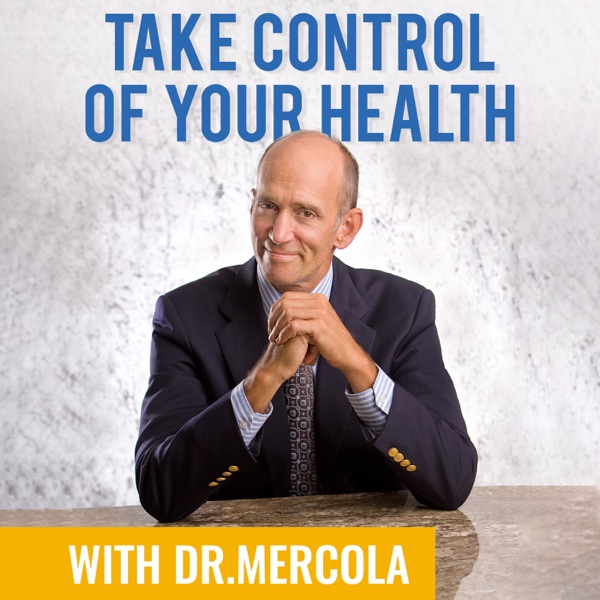
Podcast charts
Published by Dr. Mercola
Listen to Dr. Mercola's Weekly Podcast, as the legendary natural health pioneer continues to lead you on your journey towards optimal health.
On the charts
Every published chart this podcast appears in, in the snapshot behind this page. Each one links to the chart it came off.
From the feed
The latest episodes published to this podcast’s own RSS feed. Titles and descriptions are the publisher’s.
People with healthier chest and back muscles had a significantly lower risk of both heart attack and early death over the next 10 years, suggesting that muscle quality may be an important marker of long-term heart health The condition of the muscles mattered more than their size; muscles with less fat trapped inside the fibers were linked to better cardiovascular outcomes than simply having larger muscles Strong chest and back muscles remained associated with a lower heart attack risk even after researchers accounted for age, sex, and calcium buildup in the arteries, suggesting muscle quality provides important information beyond conventional heart risk factors You don't need to become a bodybuilder to improve the muscles linked to heart health; consistent activities such as resistance training, rowing exercises, cycling, Pilates, brisk walking, and wall pushups all help strengthen the muscle groups identified in the study Building healthier muscles requires more than exercise alone; adequate recovery and enough protein, collagen, and healthy carbohydrates work together to support stronger muscle tissue and better long-term cardiovascular health
Research suggests that spending more time in bright daytime light was linked to a lower risk of developing dementia, with measurable brightness targets that are often reached outdoors. However, the researchers caution these thresholds may not transfer directly to other populations In the study's machine-learning analysis, bright daytime light ranked as a stronger predictor of future dementia risk than several familiar factors, including alcohol consumption, obesity, hearing loss, and traumatic brain injury The strongest association between brighter daytime light and lower dementia risk was found in people already at higher risk, including those with an evening chronotype and people who carry the APOE4 gene variant Research suggests sunlight supports your body in ways that extend beyond vitamin D, influencing compounds involved in circulation, mood, sleep, immune function, and your body's natural daily rhythm Building simple habits such as spending time outdoors in the morning, taking daylight breaks during the day, and reducing dependence on dim indoor lighting may be a practical way to support long-term brain health
Most Americans favor clear definitions and practical dietary guidance about ultraprocessed foods over taxes, suggesting that better information is the policy change people want most Federal dietary guidelines now advise limiting highly processed foods for the first time, reflecting growing scientific concern that diets built around these products are linked to higher risks of chronic disease In a tightly controlled feeding study of 20 adults housed in a metabolic ward, those who ate ultraprocessed foods consumed about 500 more calories per day than those who ate minimally processed foods, even when the diets contained similar amounts of nutrients Learning how to identify ultraprocessed foods by reading ingredient lists instead of relying on front-of-package marketing gives you greater control over the food choices you make every day Replacing ultraprocessed foods made with vegetable oils and long ingredient lists with minimally processed foods prepared from simple ingredients is one practical step that may support your long-term health
For decades the supplement industry has competed in one direction only — toward more ingredients, more milligrams, more capsules — on the unspoken assumption that more is better and a complex, multi-ingredient supplement is better than a simpler one with fewer ingredients The complexity of many supplement routines works against the only outcome that matters — whether you take it, consistently, for long enough to make a difference Higher doses do not guarantee that more reaches your cells. In a poorly absorbed form, a larger dose simply means more is wasted Simplicity is the harder achievement; it's easy to throw more into a bottle, and genuinely difficult to deliver what the body needs in a form that's effective, effortless to take, and simple enough to fit a busy lifestyle The future we're building toward is fewer things to take, food-centered formats that fold into a meal. In short, a supplement routine you can actually adhere to, because consistency is the entire ballgame
Long-term residential exposure to the insecticide chlorpyrifos was associated with more than a 2.5-fold higher risk of developing Parkinson's disease, adding to growing evidence that certain pesticides may pose a significant risk to brain health Researchers strengthened the findings by showing that chlorpyrifos produced similar Parkinson's-like changes in laboratory animals (via mice exposed by inhalation over 11 weeks), including loss of dopamine-producing nerve cells, harmful protein buildup, and chronic brain inflammation The pesticide disrupted the brain's natural recycling system in these animal models, allowing damaged proteins to accumulate inside nerve cells instead of being cleared away, which may help explain how exposure could contribute to Parkinson's disease in humans A lawsuit against Dow Chemical, Corteva and FMC Corporation, the companies that developed and originally marketed chlorpyrifos, alleges they failed to adequately warn users about the pesticide's neurological risks, bringing renewed attention to the dangers faced by agricultural and pest control workers Reducing repeated pesticide exposure, supporting gut health, staying physically active, managing stress, and maintaining healthy vitamin D levels are practical steps that may help support long-term brain health, though evidence connecting them specifically to Parkinson's disease risk is still developing
Previous research, including the large COSMOS clinical trial, found that consuming about 500 milligrams (mg) of flavanols daily was associated with a lower risk of dying from cardiovascular disease and fewer major cardiovascular events. However, note that COSMOS tested a cocoa extract supplement rather than food, enrolled adults aged 60 and older, and the reduction in major cardiovascular events came from a post hoc analysis The featured study found following current fruit and vegetable recommendations didn't provide enough flavanols for most people to reach the intake linked with better heart health, showing that which foods you choose affects flavanol intake more than how many servings you eat. Even then, high-flavanol produce did not reliably reach the 500 mg benchmark in the researchers' simulations Researchers analyzed more than 30,000 people from the U.S. and United Kingdom using objective laboratory measurements instead of relying only on food questionnaires, giving a more accurate picture of real-world flavanol intake Apples, blueberries, blackberries, cherries, pears, plums, green tea, and minimally processed cocoa are among the foods that naturally provide higher amounts of flavanols, making them smart additions to a heart-healthy eating pattern Instead of simply eating more produce, rotating a wider variety of flavanol-rich fruits and other plant foods into your meals is an easy way to increase these beneficial compounds while enjoying the many other nutrients whole foods provide
Non-stimulant pre-workout supplements may improve exercise performance by supporting your muscles' natural energy production, blood flow, and recovery instead of relying on large doses of caffeine to keep you alert Creatine remains one of the most researched non-stimulant ingredients for supporting increases in strength, power, and the number of quality repetitions you complete during high-intensity training Beta-alanine works only after consistent daily use because your body converts it into carnosine, a compound that helps your muscles resist fatigue during demanding exercise Reading the ingredient label is just as important as choosing the supplement itself because proprietary blends often hide ingredient amounts, making it impossible to know whether you're getting research-supported doses Your best workout results come from building a strong foundation with nutritious food, hydration, quality sleep, and proper recovery instead of depending on stimulant pre-workout products and energy drinks
Dehydrated foods last longer because water removal slows spoilage, but the process also concentrates sugars, calories, salt, and other ingredients into much smaller portions Dried fruits retain fiber and plant compounds, yet research on their effects on blood sugar, cholesterol, and blood pressure remains mixed, especially when they add extra calories instead of replacing processed snacks Prunes showed the clearest evidence for digestive and bone support, with studies linking regular intake to more frequent bowel movements and better preservation of hip bone density in postmenopausal women Drying method matters: conventional hot-air drying caused far larger losses of vitamin C in broccoli and beta-carotene in carrots than faster, lower-oxygen drying methods Fresh, minimally processed foods remain the better everyday choice, while dried fruit, vegetables, and meat work best as carefully chosen convenience foods with simple ingredients and measured portions
Cancers diagnosed before age 50 increased 24% worldwide between 1990 and 2019, while younger generations also show signs of faster biological aging Biological age reflects the condition of your cells, tissues, and organ systems, giving you a more complete picture of your health than chronological age alone Faster biological aging was associated with higher risks of early-onset lung, gastrointestinal, and uterine cancers, although the strength of these links varied depending on how researchers measured aging Different parts of your body age at different rates, with faster immune system aging linked to early-onset lung cancer and accelerated fat tissue aging linked to early-onset colorectal cancer in an exploratory analysis Reducing seed oils and ultraprocessed foods, supporting cellular energy with adequate carbohydrates and protein, staying active, protecting your circadian rhythm, and limiting environmental toxin exposure help address factors associated with faster biological aging
Long-term exposure to even moderate levels of air pollution was associated with more calcium buildup, more plaque and more advanced coronary artery disease, suggesting your heart is affected long before symptoms appear Women exposed to higher levels of fine particle pollution were about 80% more likely to have severe blockages in the arteries supplying the heart, highlighting that air pollution doesn't affect everyone equally Ultrafine particles from vehicle exhaust, industrial emissions, power plants and gas stoves are even smaller than the pollutants measured in the study, travel throughout your body after entering your lungs and outnumber microplastics by an enormous margin Because most people spend about 90% of their time indoors, improving your home's air quality with a HEPA purifier, proper kitchen ventilation and smart window habits dramatically reduces your daily pollution exposure Choosing cleaner air when possible, eating minimally processed whole foods, avoiding ultraprocessed foods and exercising away from heavy traffic work together to reduce chronic inflammation and help protect your arteries over the long term
Spending most of your day sitting increases your risk of chronic disease and early death, but taking a five-minute walk every hour is a simple habit that helps counter many of those harmful effects Researchers found that hourly walking breaks offered the best balance between meaningful health benefits and a routine that people could realistically maintain, while also improving mood and reducing fatigue without hurting work performance You don't need to reach 10,000 daily steps before your health improves; increasing your daily total to about 4,000 to 4,500 steps was associated with substantial reductions in the risk of death and cardiovascular disease The lowest long-term risk of death was associated with accumulating roughly 9,000 to 10,500 steps each day, even among people whose jobs required them to spend much of the day sitting The greatest protection comes from combining two habits: interrupt long periods of sitting with regular walking breaks and gradually increase your total daily steps until active movement becomes part of your everyday routine
When it comes to maintaining a nutritional supplement regimen, the decisive question is not "what's in the bottle" — it's what makes a person actually take it, day after day, long after the first burst of motivation fades Motivation behaves like weather: it rolls in and rolls out. Any routine that depends on feeling inspired every morning is built on sand Friction is where habits die. Every extra step becomes another reason to skip a dose, and people rarely quit a supplement routine in one dramatic moment; they drift, one missed dose at a time We are creatures of cue and context: habits anchored to something we already do, like a meal, tend to stick, while habits that depend on memory and willpower tend to evaporate So, we're redesigning some of our supplements to work with how people actually behave — fewer steps and a food-first format anchored to eating — so staying consistent barely depends on willpower at all
UCLA researchers found that creatine may do more than support muscle performance; early research suggests it also helps power key immune cells that coordinate the body's defense against cancer When immune cells were unable to absorb creatine, they showed lower survival, weaker activation, and a reduced ability to stimulate the T cells responsible for attacking abnormal cells Creatine helped immune cells maintain higher levels of ATP, the body's primary cellular energy source, allowing them to stay active and communicate more effectively In a mouse melanoma model, creatine supplementation was linked to slower tumor growth, more active immune cells inside tumors, and stronger cancer-fighting immune responses Supporting healthy cellular energy through adequate creatine intake, nutrient-dense foods, healthy carbohydrates, and lifestyle habits that strengthen mitochondrial function may help create a stronger foundation for immune health
A study of more than 31,000 adults with Type 2 diabetes found that a widely prescribed class of blood pressure medications was associated with a 33% higher risk of serious kidney complications, including substantial loss of kidney function, dialysis or transplantation The increased kidney risk persisted even though all participants were already taking modern kidney-protective therapies that are considered standard treatment for diabetic kidney disease Researchers believe these medications may increase pressure inside the kidneys' filtering units, exposing already damaged tissue to additional mechanical stress, which may accelerate kidney decline High blood pressure not only raises the risk of heart disease but also damages the kidneys over time, making blood pressure control one of the most important strategies for preserving kidney function Improving blood sugar control, restoring a healthier sodium-to-potassium balance, reducing chronic stress, optimizing vitamin D levels, and staying physically active may help lower blood pressure naturally and reduce strain on the kidneys
Vitamin K does far more than support blood clotting; research in mice found it helps regulate the constant cycle of removing old bone and building new bone — a process that influences long-term bone strength Researchers identified a vitamin K-dependent protein called GAS6 that acts as a messenger between bone-building cells and bone-removing cells, helping coordinate the remodeling process that keeps your skeleton healthy Bone-building cells use vitamin K at remarkably high levels; researchers found that the enzymes responsible for vitamin K activity were 10 to 40 times more abundant in bone-building cells than in bone-removing cells, a sign that bone-building cells are among the body's heaviest users of vitamin K, on par with the liver Foods rich in vitamin K2, including egg yolks, liver, Gouda, Brie, and fermented foods such as natto, help direct calcium into your bones and teeth instead of allowing it to accumulate in soft tissues Protecting your bones involves more than getting enough calcium; adequate protein, healthy vitamin D levels, regular weight-bearing exercise, avoiding soft drinks, and reducing seed oils all support the cellular energy and nutrient balance required for healthy bone remodeling
Researchers found that Wegovy showed the strongest reported association with a rare optic nerve injury that can cause sudden vision loss, raising new questions about the safety of high-dose semaglutide formulations Men using Wegovy showed the highest reported risk in the FDA safety database, with odds of optic nerve injury appearing substantially higher than those reported for women Analysis of more than 400,000 online discussions revealed that many GLP-1 users frequently reported fatigue, low energy, menstrual changes, chills and hot flashes — symptoms that receive far less attention than digestive side effects Real-world patient conversations and artificial intelligence analysis are helping researchers identify emerging drug safety signals much faster than conventional reporting systems alone Your body already produces its own GLP-1 hormone through gut microbes that generate butyrate, and restoring this natural system through better gut health supports appetite control and metabolic function without relying on injections
Your digestive system continues healing long after vomiting and diarrhea stop, so gradually returning to a varied, nutrient-rich diet supports recovery better than prolonged reliance on a few bland foods The BRAT diet (bananas, rice, applesauce, and toast) lacks enough protein, healthy fats and several key vitamins and minerals to fully support recovery, making it better as a small part of your diet than your entire eating plan Temporary bloating or difficulty digesting milk and larger servings of starch after a stomach bug often reflects a healing digestive tract, not a lifelong food intolerance, and many people regain their normal tolerance over time Smaller, more frequent meals, easy-to-digest protein sources, thoroughly cooked foods and gradually increasing the complexity of your meals reduce digestive stress while giving your body the nutrients it needs to repair itself Every successful meal is a step toward recovery, so let your symptoms determine when to introduce new foods instead of rushing back to your usual diet or permanently eliminating foods that your gut simply isn't ready to handle yet
Long-term exercise success depends less on willpower than on choosing activities you enjoy, keeping workouts at a manageable level and creating a routine that fits naturally into your daily life Positive experiences during exercise, such as feeling energized, accomplished or connected to other people, make you far more likely to return than workouts that leave you exhausted or discouraged Building confidence starts with following through on realistic goals, tracking your progress and creating a backup plan for busy days instead of expecting every workout to be perfect Exercise habits form at different speeds for different people, so consistency over weeks and months matters far more than reaching an arbitrary timeline or maintaining a flawless streak Missing a workout doesn't erase your progress; treating setbacks with self-compassion, identifying what disrupted your routine and restarting with one simple action makes it easier to stay active for the long term
We're wired to embrace food and to resist anything that feels like medicine — and day to day, behavior follows that feeling far more than it follows logic Nutritional supplements in food-based formats slip into meals you already eat, thereby removing most of the friction that undermines pill routines Habits tend to stick better when they're anchored to something you already do every day, and eating is about the most reliable daily anchor there is How a supplement tastes and feels strongly shapes whether people keep taking it: pleasant and easy gets taken, unpleasant gets abandoned A food-first format also rewrites the emotional story — from a daily reminder that something's wrong with you to a small daily act of feeding yourself well
Sleeping fewer than seven hours per night is strongly linked to reduced long-term well-being, even when factors like diet, exercise, income, and access to health care are taken into account Large-scale U.S. data shows sleep loss predicts reduced overall well-being more reliably than many habits people focus on daily, including physical inactivity and poor dietary choices Chronic short sleep keeps your body's natural maintenance systems under greater demand, preventing the nightly repair work your body relies on to stay resilient over time Sleep pressure builds when your cells work harder to produce energy, leading to natural signals that guide your brain toward deeper rest and stronger sleep drive Improving sleep is one of the most practical and controllable ways to support long-term health, because nightly sleep habits respond directly to changes in light exposure, environment, and daily timing
Ranking source
Apple Podcasts rankings via the Mato Topic Intelligence Platform.
Observed September 20, 2026.
Apple and Apple Podcasts are trademarks of Apple Inc., registered in the U.S. and other countries.
Pairs with
Bring this source into Mato to read its transferable patterns, then turn them into an original show for your own audience.